Each artist doesn't merely pattern silk — they transmit a visual language accumulated across generations.
The Artists
Africa
Ancient roots, living colour
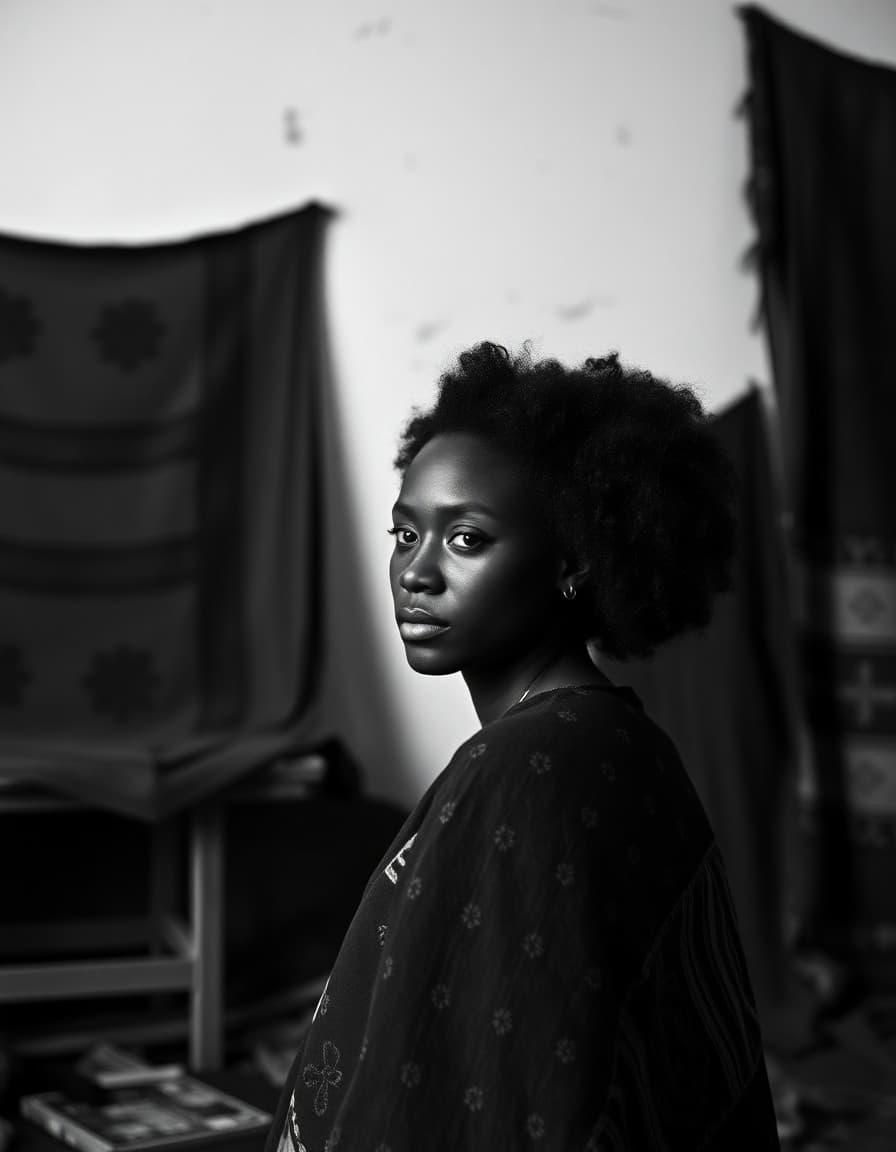
Nigeria
Adaeze Okonkwo
The Adire Collection
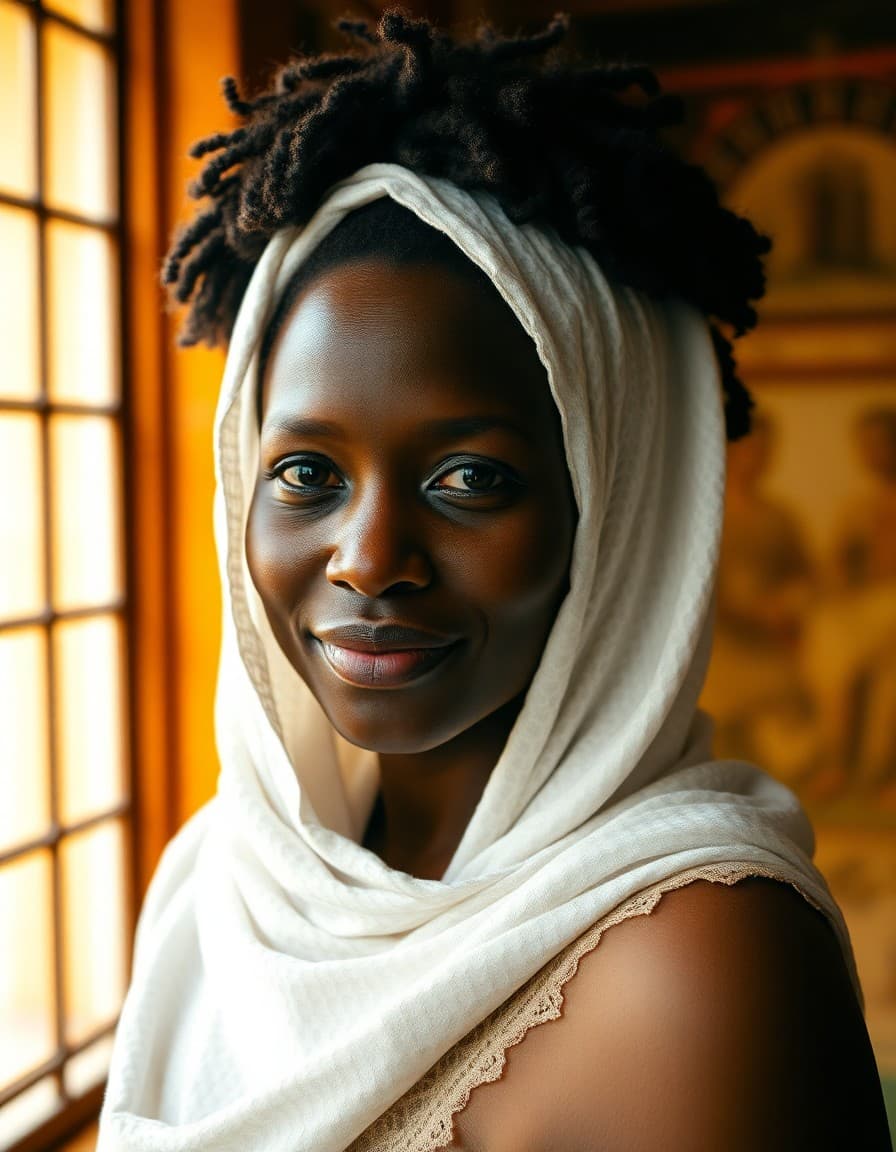
Ethiopia
Selam Tesfaye
The Lalibela Collection
Your tradition here
Submit your work →
We're always looking for artists from this region. Join us →
Turkic World
The Silk Road, still breathing
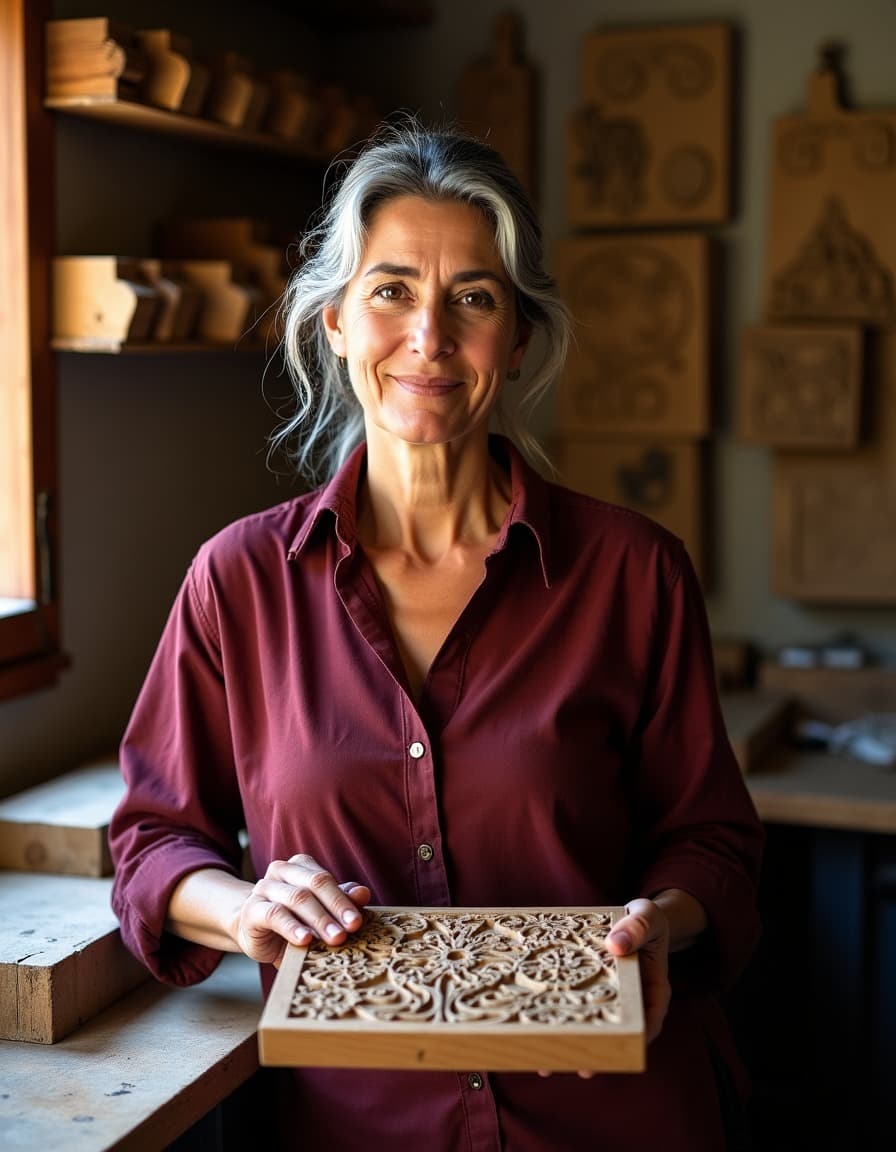
Turkey
Hafize Kaya
The Anatolia Collection
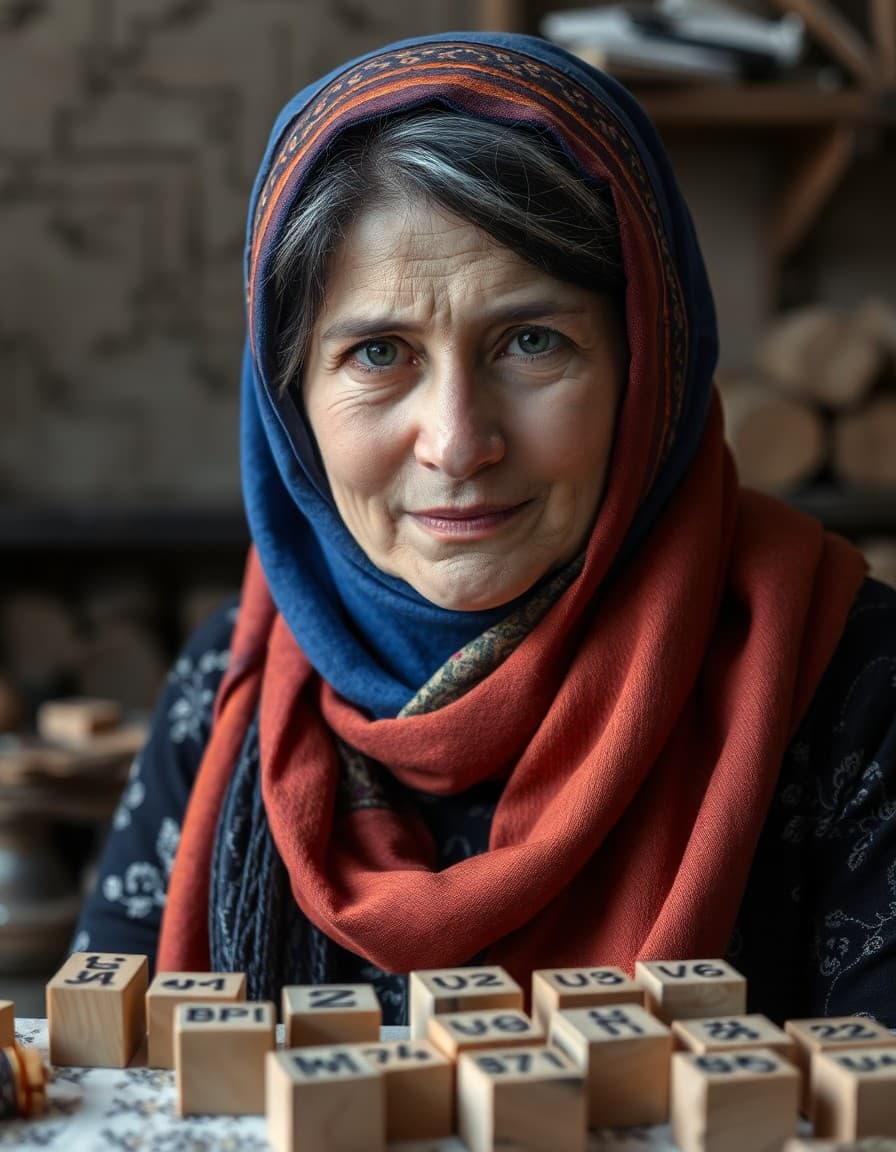
Azerbaijan
Narmin Hasanova
The Şeki Silk Collection
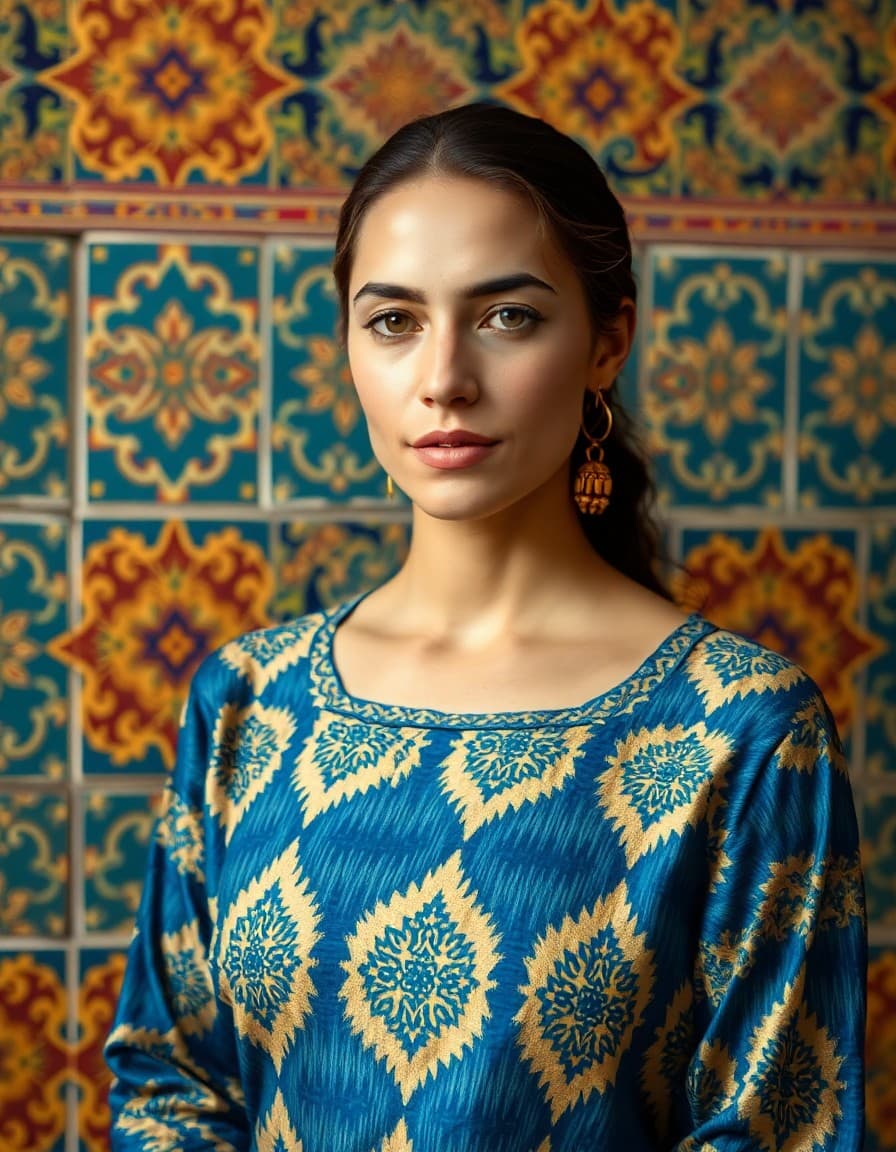
Uzbekistan
Dilnoza Yusupova
The Registan Collection
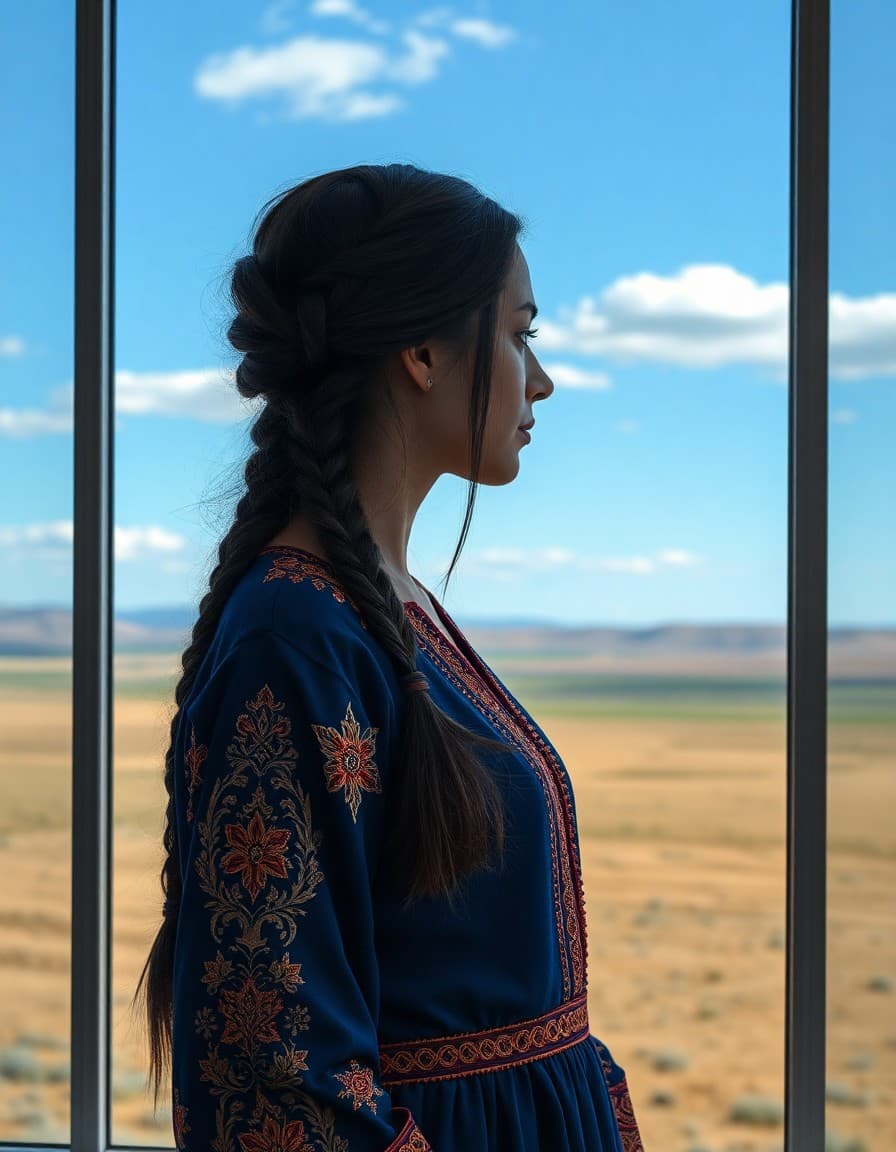
Kazakhstan
Aizat Bekova
The Steppe Collection
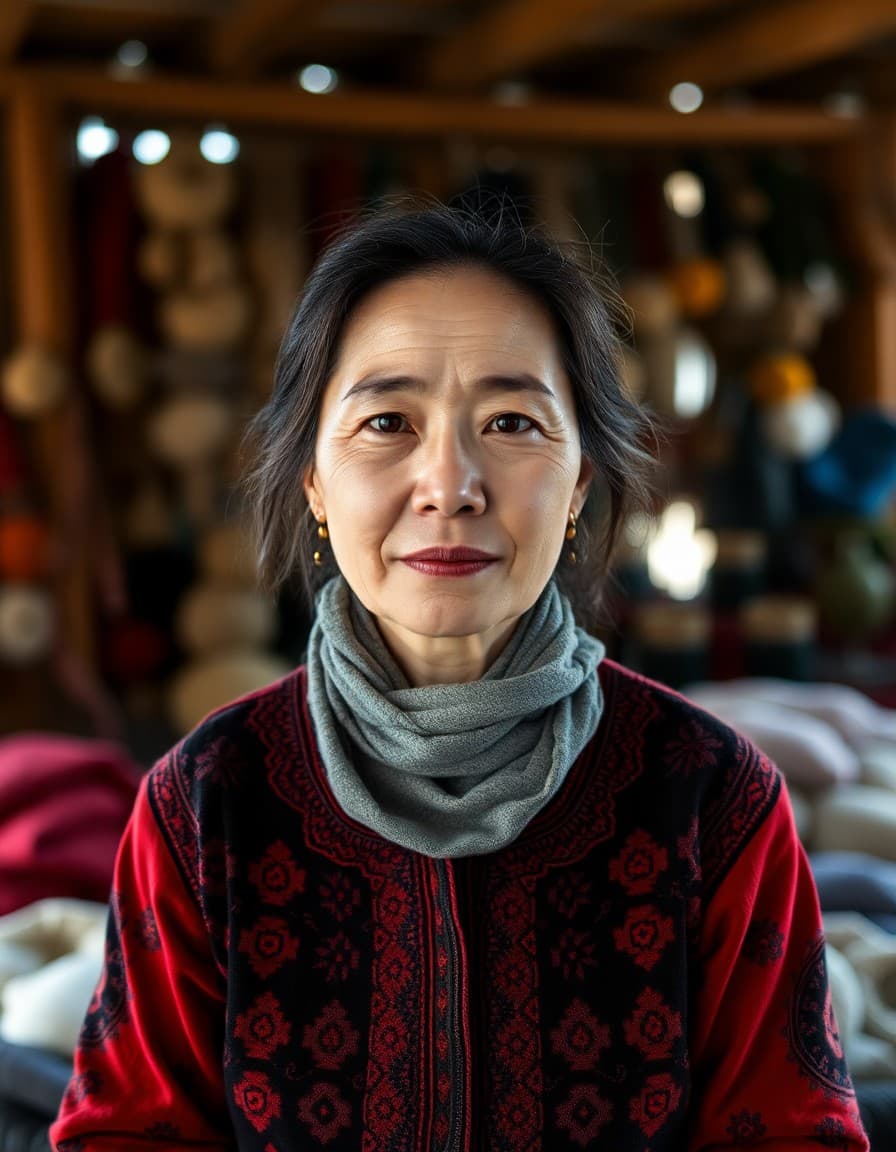
Kyrgyzstan
Ainur Mamytova
The Tian Shan Collection
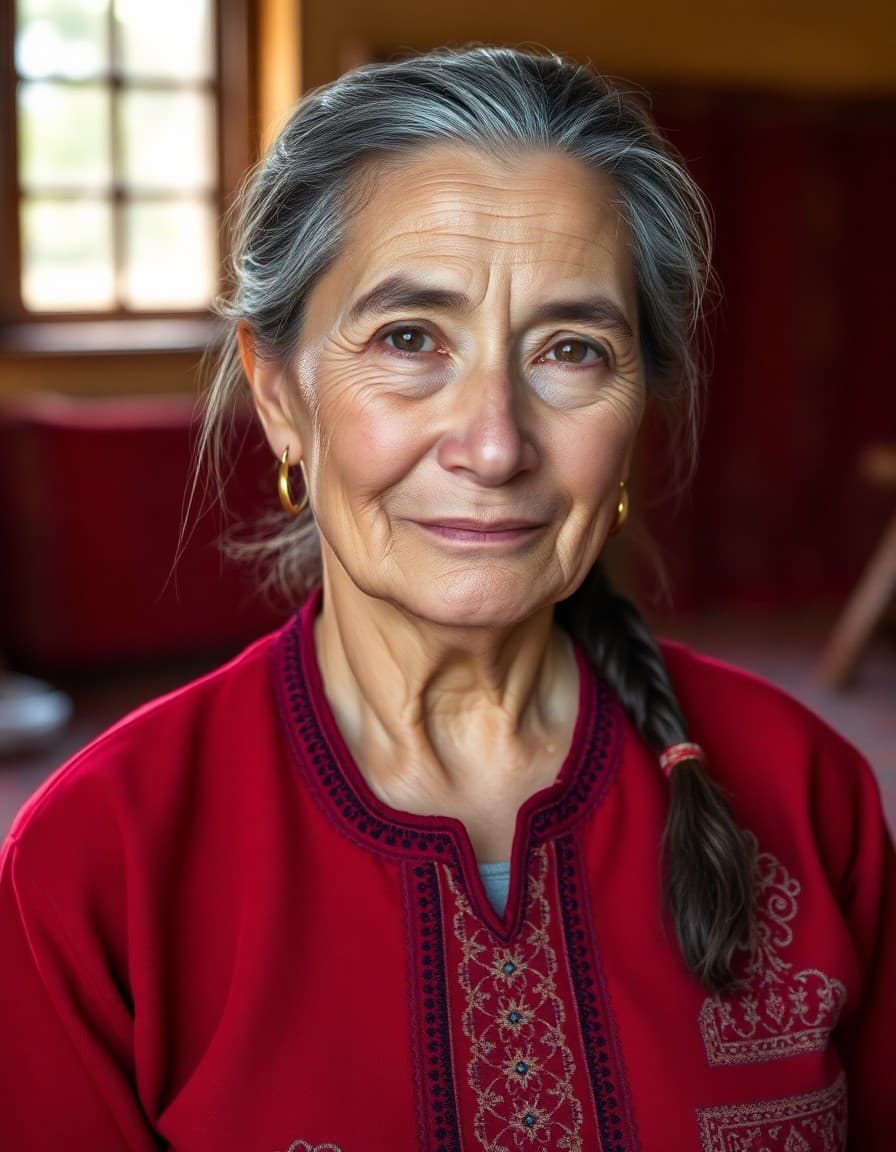
Turkmenistan
Ogulgerek Annayeva
The Gul Collection
We're always looking for artists from this region. Join us →
Asia
Where silk was born

Japan
Yuki Tanaka
The Shibori Collection
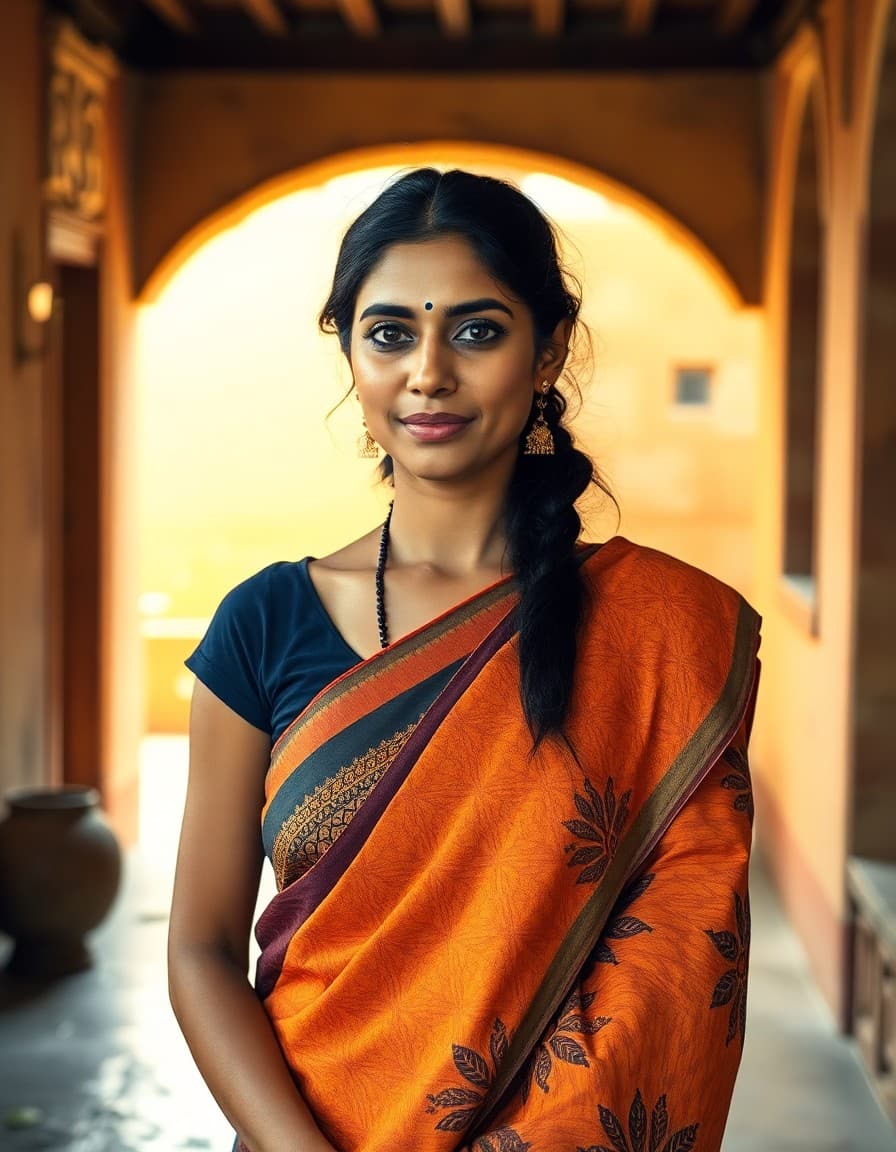
India
Priya Sharma
The Rajasthan Collection
Your tradition here
Submit your work →
We're always looking for artists from this region. Join us →
Americas
Pre-Hispanic dye, Şeki silk
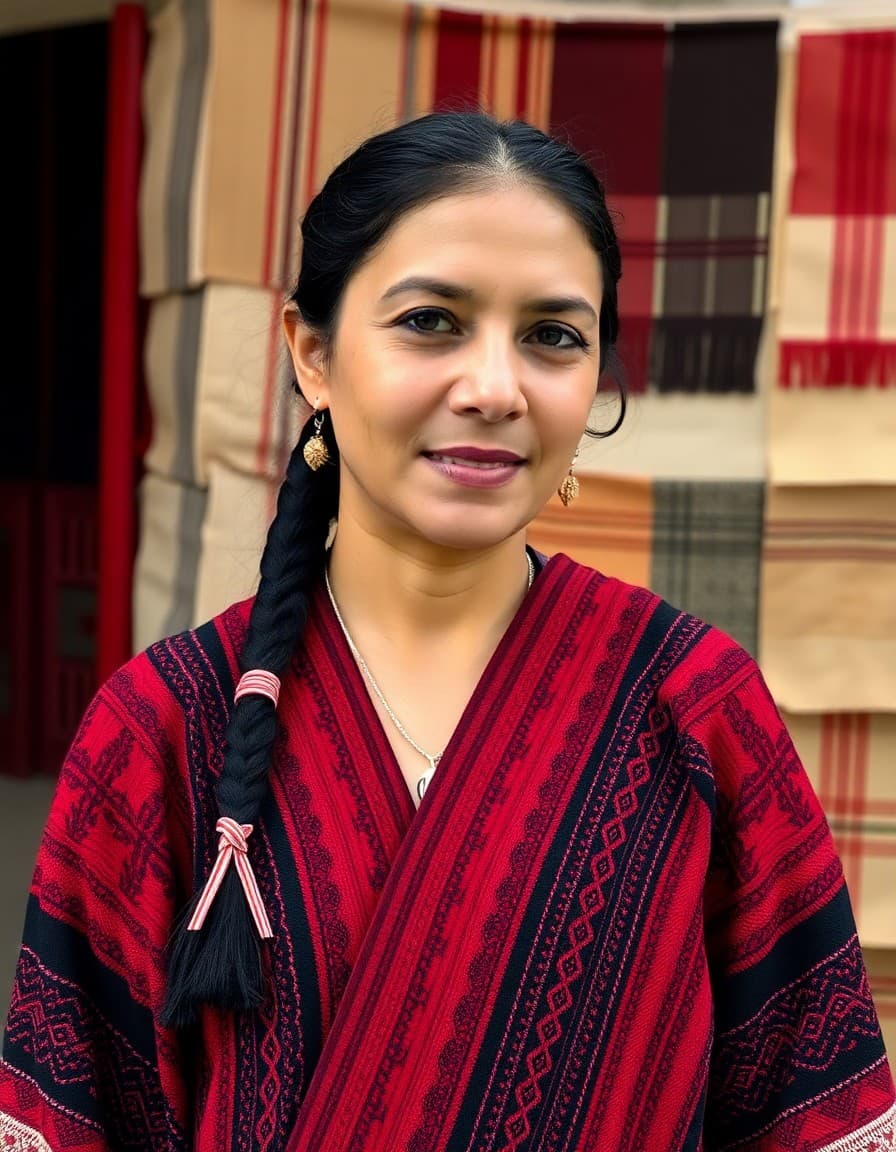
Mexico
Frida Luna
The Oaxaca Collection
Your tradition here
Submit your work →
We're always looking for artists from this region. Join us →
Europe
Stone Age memory meets Şeki silk
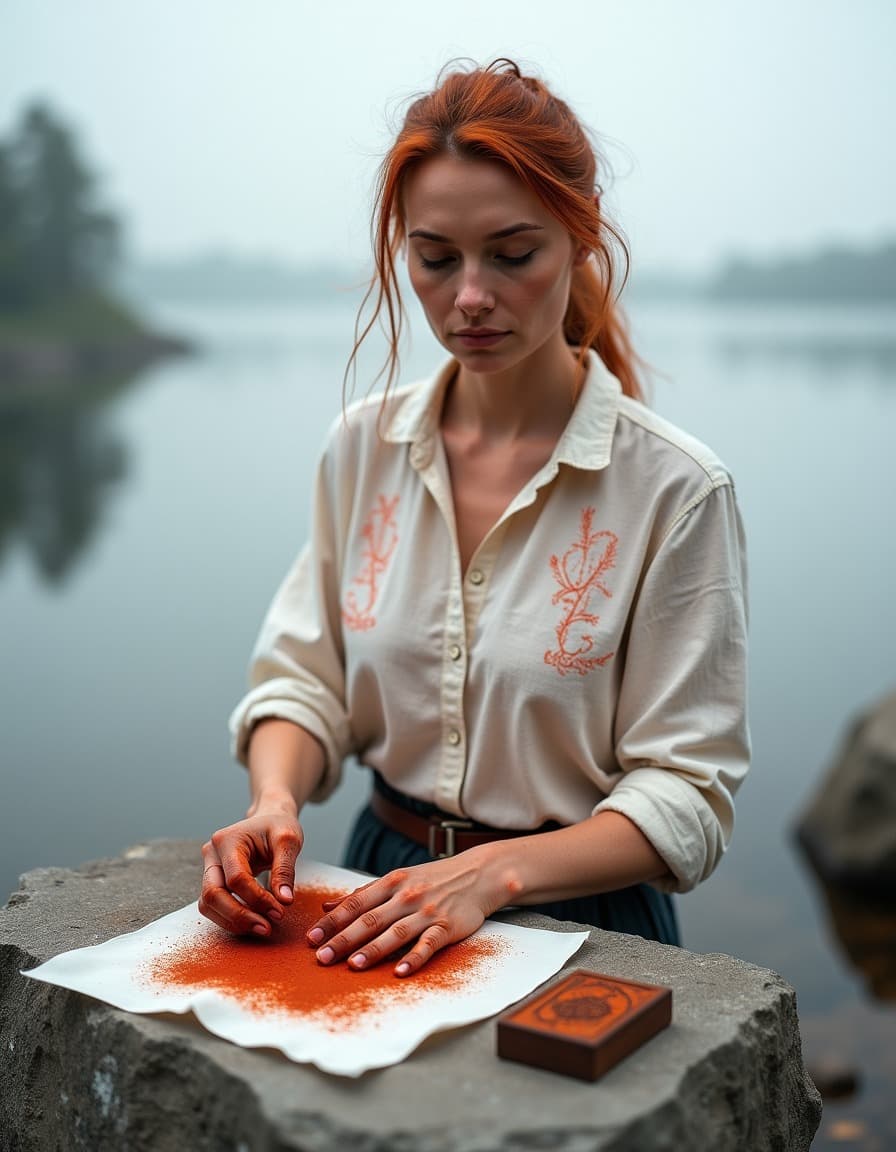
Finland
Aino Mäkinen
The Saimaa Collection
Your tradition here
Submit your work →
We're always looking for artists from this region. Join us →
How a collaboration works
Each artist here drew a pattern, and a master in Şəki turned it into cloth. Those are two separate skills and neither one substitutes for the other: the drawing decides what the piece says, and the block-cutting and dyeing decide whether silk can be made to say it.
The artists were not asked to imitate Azerbaijani ornament. They were asked for their own — shibori from Japan, adire from Nigeria, the block-printed vocabulary of Rajasthan, the wool figures of a Kyrgyz shyrdak — and then that drawing had to survive being cut into pear wood and held under hot wax. What comes back is neither the artist’s tradition nor Şəki’s. It is the argument between them.
The signature
Every artist page carries a signature, and every piece is published under the name of the person who drew it rather than under a house style. That is deliberate. A kelaghayi is anonymous work by tradition — the stamps in Basqal have outlived the names of everyone who cut them — and putting a name back on the cloth is the one thing Navohi does that the tradition does not.
Some artists have a full collection here. Some have a single concept piece that was never made. Both are on the page, because the record of what was proposed is part of the record of what exists.
Is your tradition missing?
We travel the world to find artists whose work is rooted in a place. If yours is, we'd like to hear from you.
SUBMIT YOUR WORK →