Kyrgyzstan
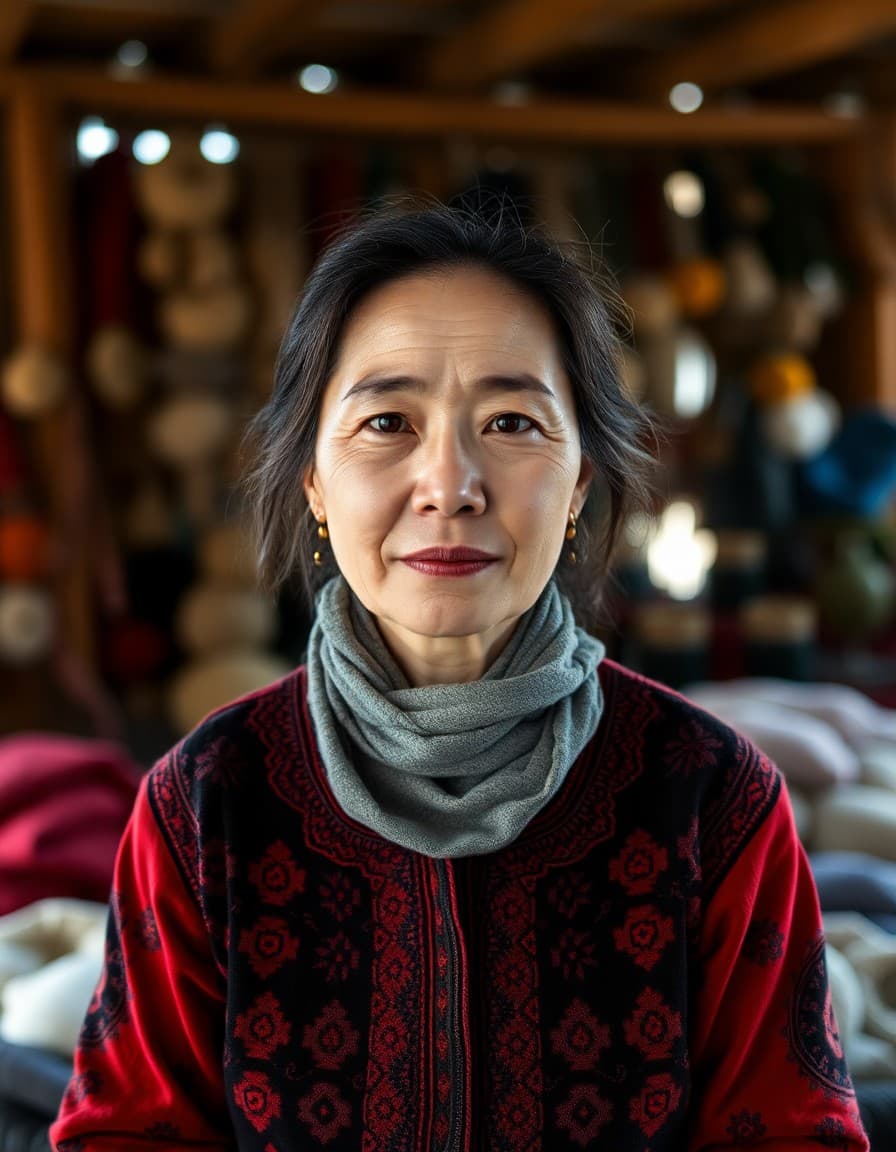
Hello, I'm Ainur
Mamytova
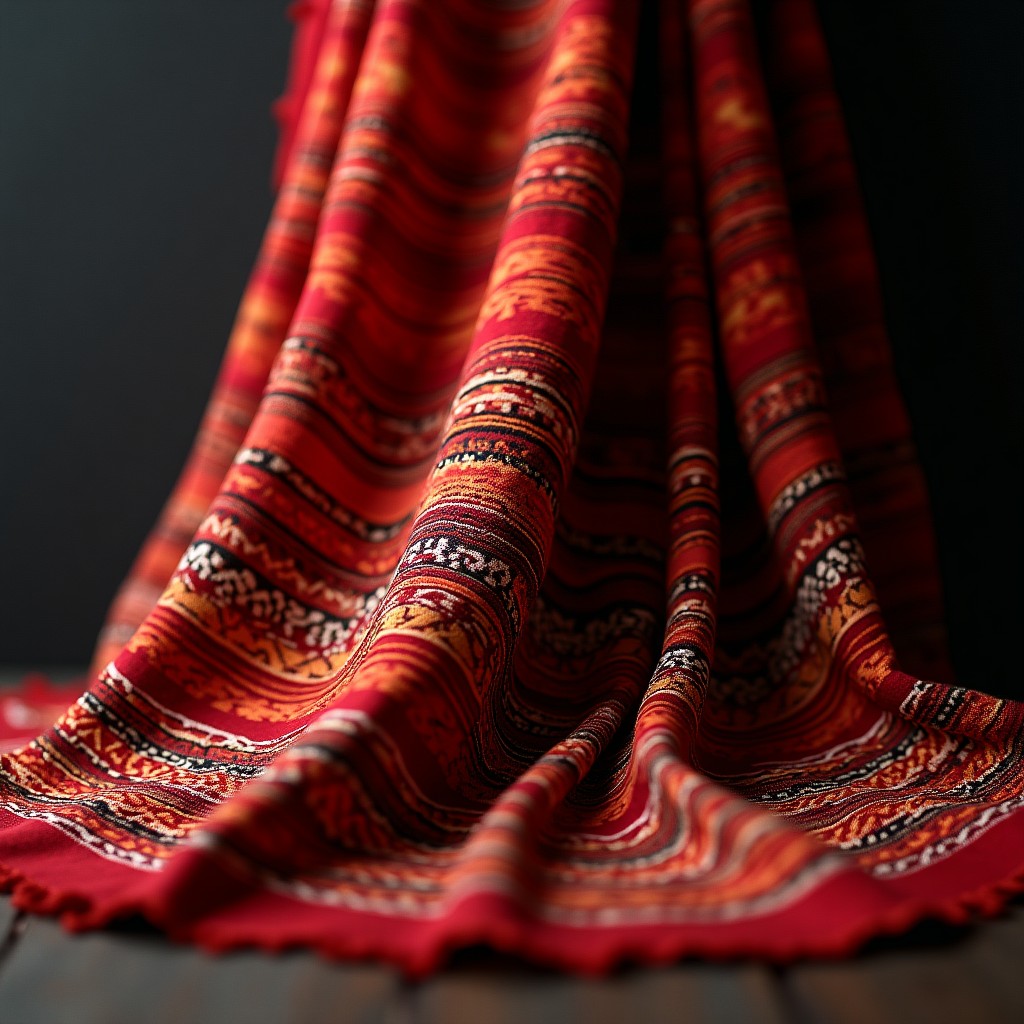
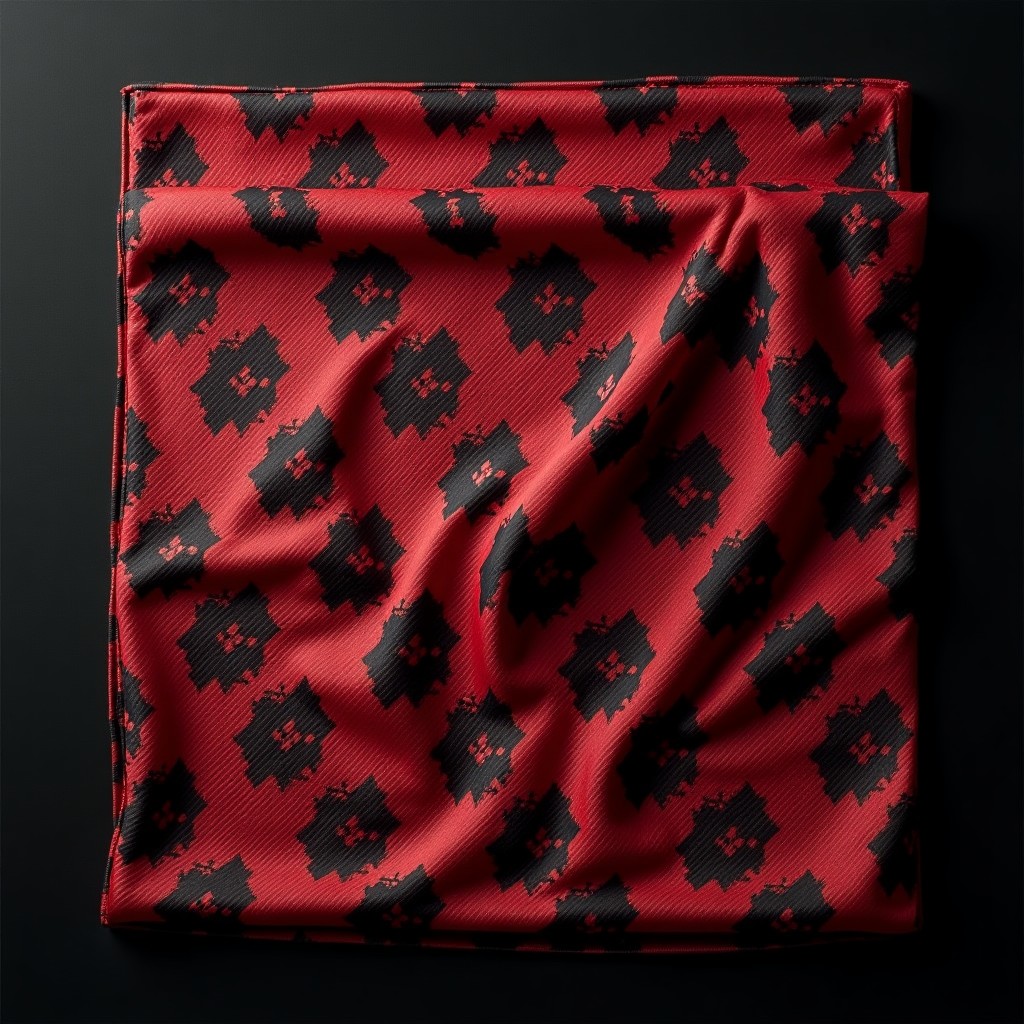
I preserve the shyrdak felt art of Kyrgyzstan — bold interlocking geometries that represent mountains and rivers. On silk, the same patterns become something lighter, something that moves.
From the Tian Shan mountains of Kyrgyzstan, Ainur Mamytova is a master of shyrdak — the traditional felt carpet art of the Kyrgyz people. Recognized by UNESCO for her work preserving this ancient craft, she creates bold interlocking geometries that represent mountains, rivers, and the spiritual world of Kyrgyz cosmology.
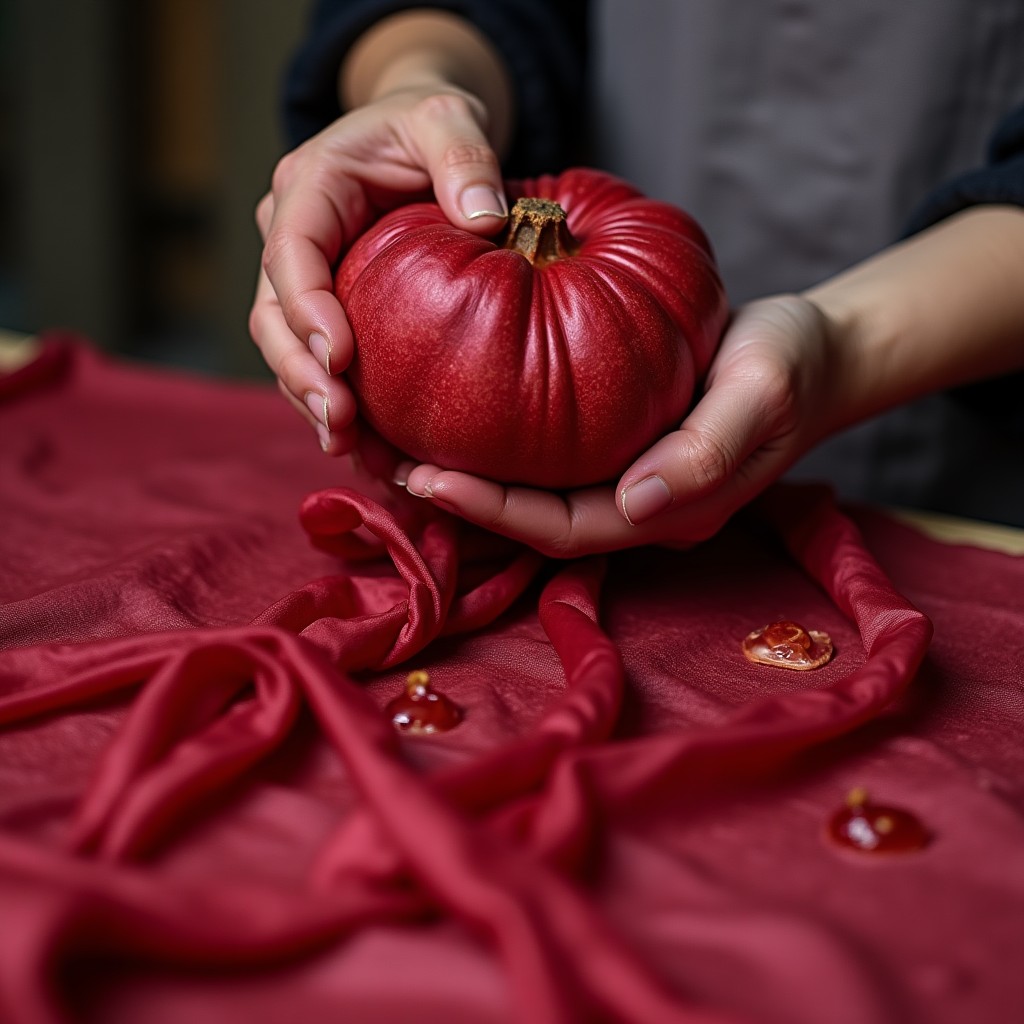
The Tian Shan mountains are not gentle. They do not suggest. They are vertical, severe, impossible. When Kyrgyz women made shyrdak, they made something that could answer the mountains — bold interlocking shapes in madder crimson and black, nothing soft, nothing decorative in the Western sense. I have been asked many times why I work in such strong contrasts. Because I grew up between peaks that were four thousand metres high and the valley floor was one thousand. The light did not graduate between these heights. It cut. I ordered a small block of linden wood from a carpenter here in Bishkek and spent three weekends carving my first galib. I cut myself four times. I threw it away twice. The third attempt was imprecise — the lines were not clean enough to hold resist properly. I sent photographs to Narmin. She replied in one sentence: the block is too soft, use pear wood. She was right. The pear wood block I carved next week gave a completely different impression — exactly what the mountains demand.
— Ainur Mamytova, Bishkek, Kyrgyzstan
Motif
Tian Shan shyrdak — mountain interlocking
Kyrgyzstan · Bishkek · UNESCO craft
How a collaboration works
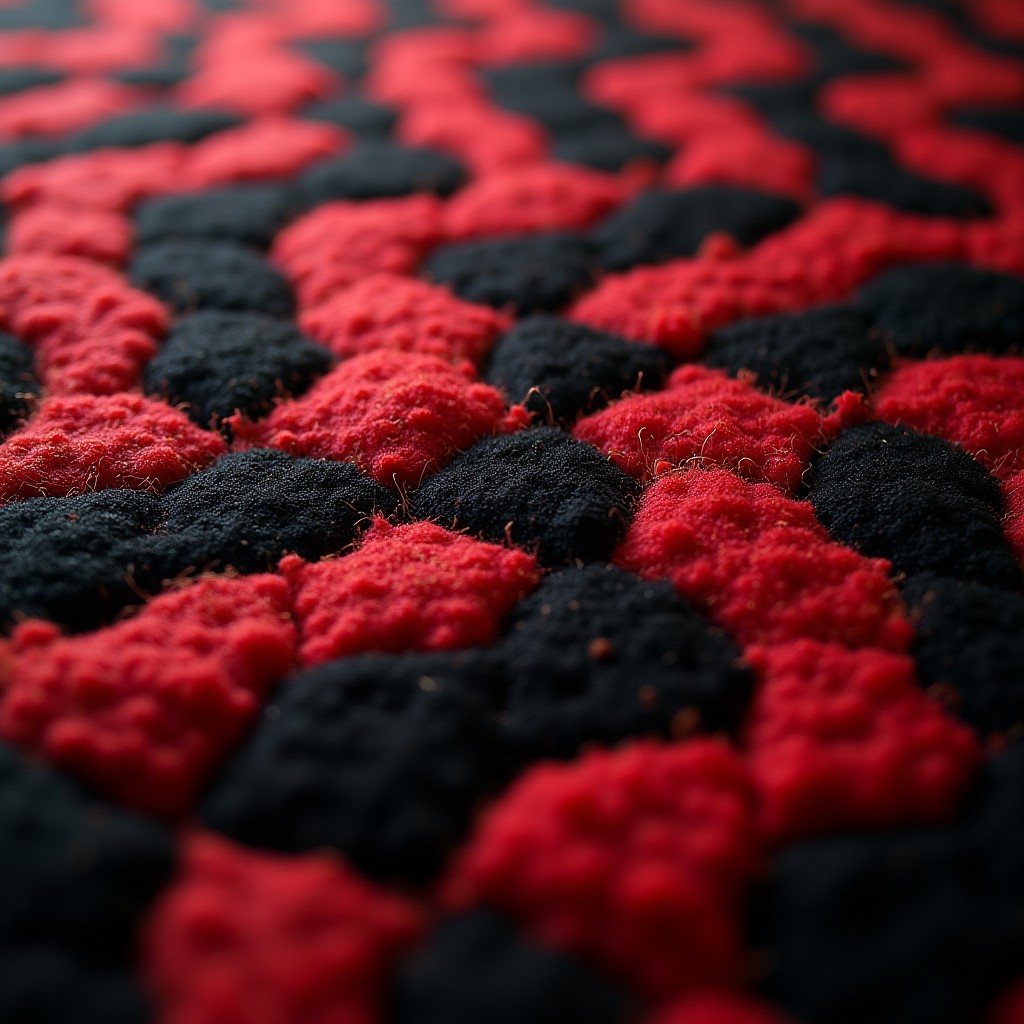
Each artist here drew a pattern, and a master in Şəki turned it into cloth. Those are two separate skills and neither one substitutes for the other: the drawing decides what the piece says, and the block-cutting and dyeing decide whether silk can be made to say it.
The artists were not asked to imitate Azerbaijani ornament. They were asked for their own — shibori from Japan, adire from Nigeria, the block-printed vocabulary of Rajasthan, the wool figures of a Kyrgyz shyrdak — and then that drawing had to survive being cut into pear wood and held under hot wax. What comes back is neither the artist’s tradition nor Şəki’s. It is the argument between them.
The signature
Every artist page carries a signature, and every piece is published under the name of the person who drew it rather than under a house style. That is deliberate. A kelaghayi is anonymous work by tradition — the stamps in Basqal have outlived the names of everyone who cut them — and putting a name back on the cloth is the one thing Navohi does that the tradition does not.
Some artists have a full collection here. Some have a single concept piece that was never made. Both are on the page, because the record of what was proposed is part of the record of what exists.
Reading the pattern
The ornament is not decoration that happened to settle on the cloth. Each motif carries information, and the literature of the craft calls the whole system a book of life for anyone who can read its signs. Borders and centre take different stamps: pomegranate flower, crescent, grapevine and sun around the edge; small flowers, coins, quince flower, gazelle eyes, cat’s paw and leaf across the field. Plant motifs run to rose, narcissus, carnation, poppy, lily and iris, and they are set against straight and broken lines, zigzags, rhombuses and stars.
Colour is read the same way. Blue, red and ochre gold are the healing colours, credited with turning away the evil eye. Age and standing govern what is worn: dark, quiet tones and sparse ornament for an older woman; bright colour for a young one, who by tradition would not put on a black kelaghayi even at a funeral. The seven-colour work — red, blue, yellow, green, white, pink and dark brown on a single cloth — is held to be the ceiling of the craft.