Silk dyed with the roots of the earth.
A Lagos artist. A Şeki master. One scarf.
Not fashion. A piece made to be passed down.
Silk dyed with the roots of the earth.
A Lagos artist. A Şeki master. One scarf.
Not fashion. A piece made to be passed down.
Şeki silk · Global artists · Natural dyes
Each piece begins with an artist, ends with a master.

Nigeria
The Adire Collection
by Adaeze Okonkwo
Turkey
The Anatolia Collection
by Hafize Kaya
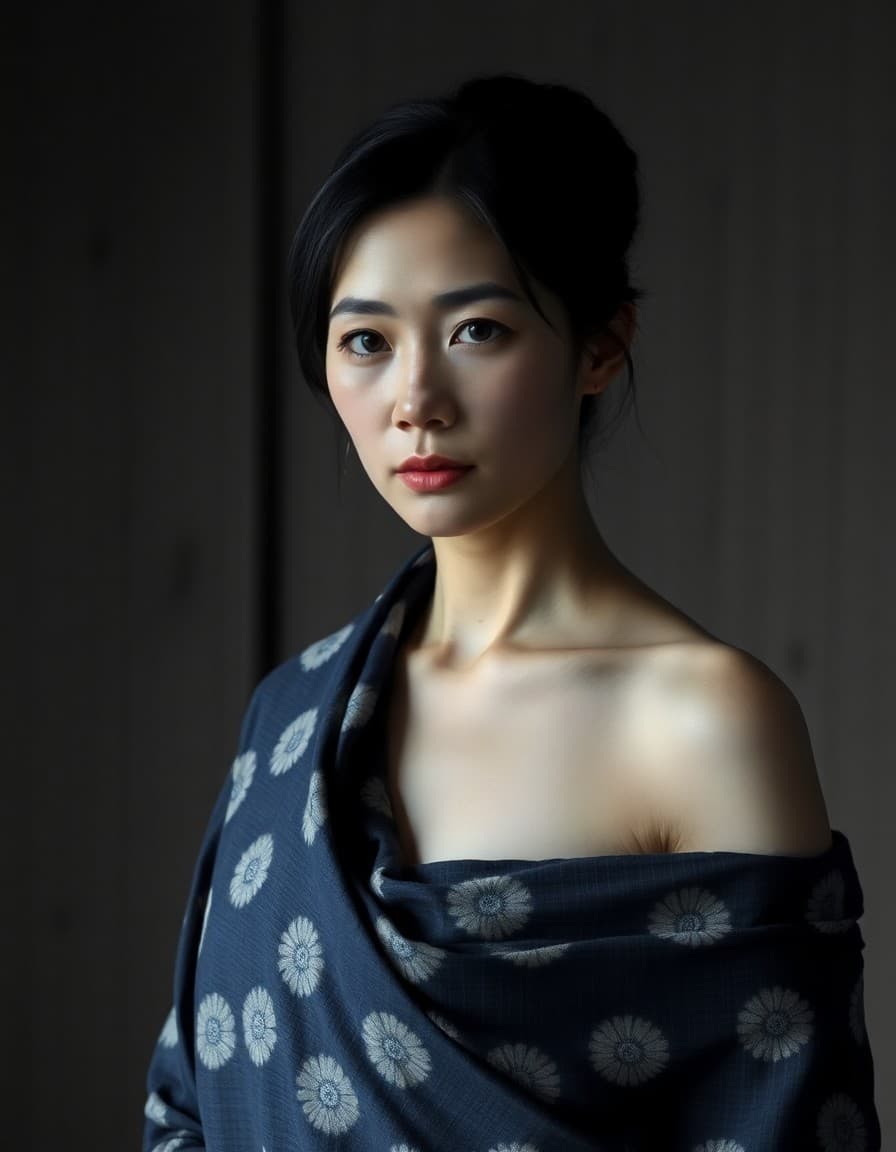
Japan
The Shibori Collection
by Yuki Tanaka
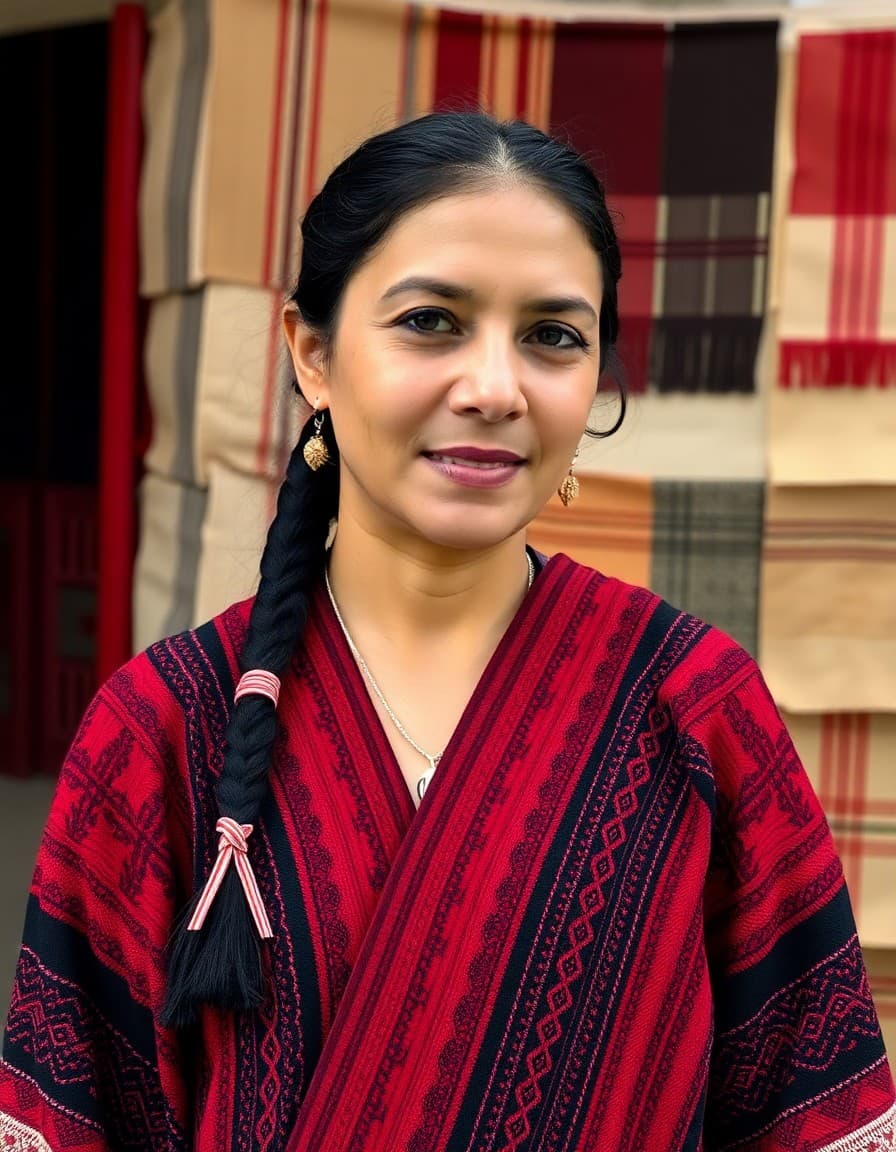
Azerbaijan
The Şeki Silk Collection
by Narmin Hasanova
Mexico
The Oaxaca Collection
by Frida Luna
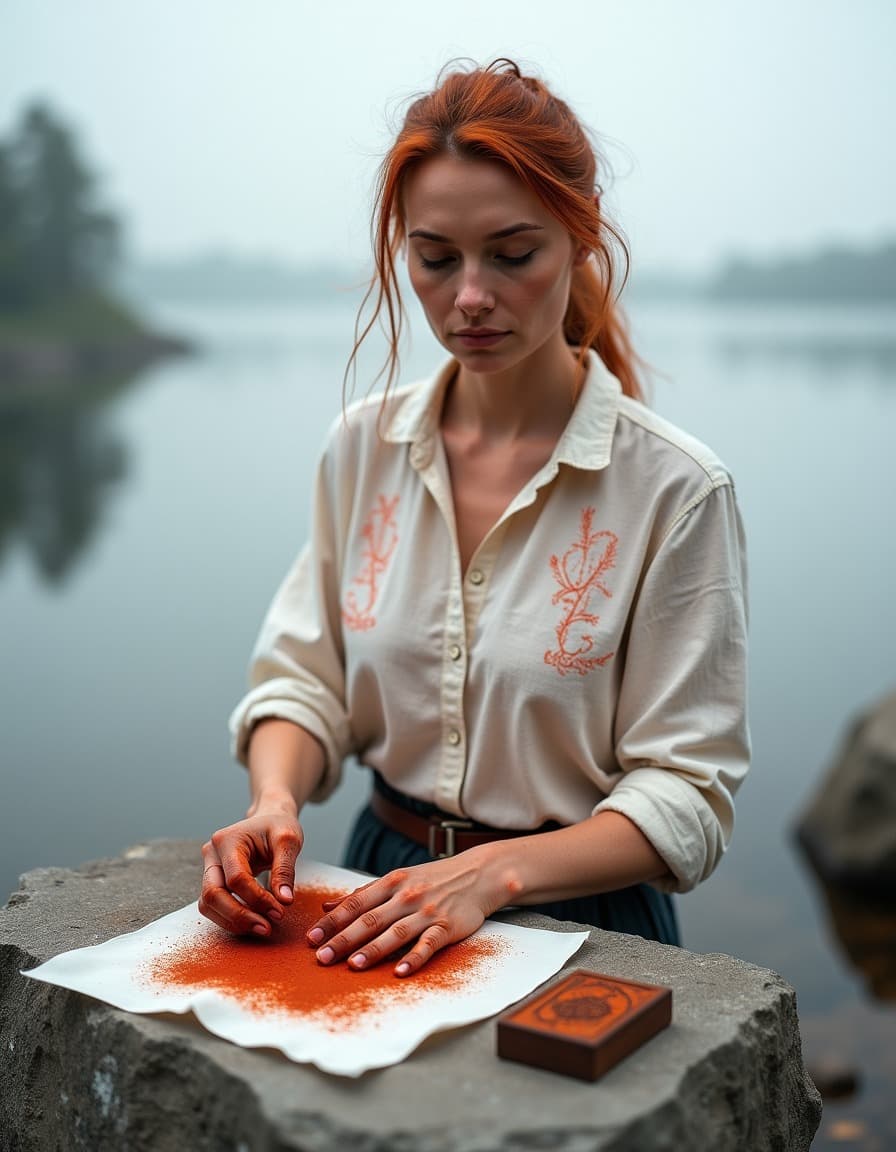
Finland
The Saimaa Collection
by Aino Mäkinen
Global voices, local craft
The Artists
Nigeria
Adaeze Okonkwo
The Adire Collection
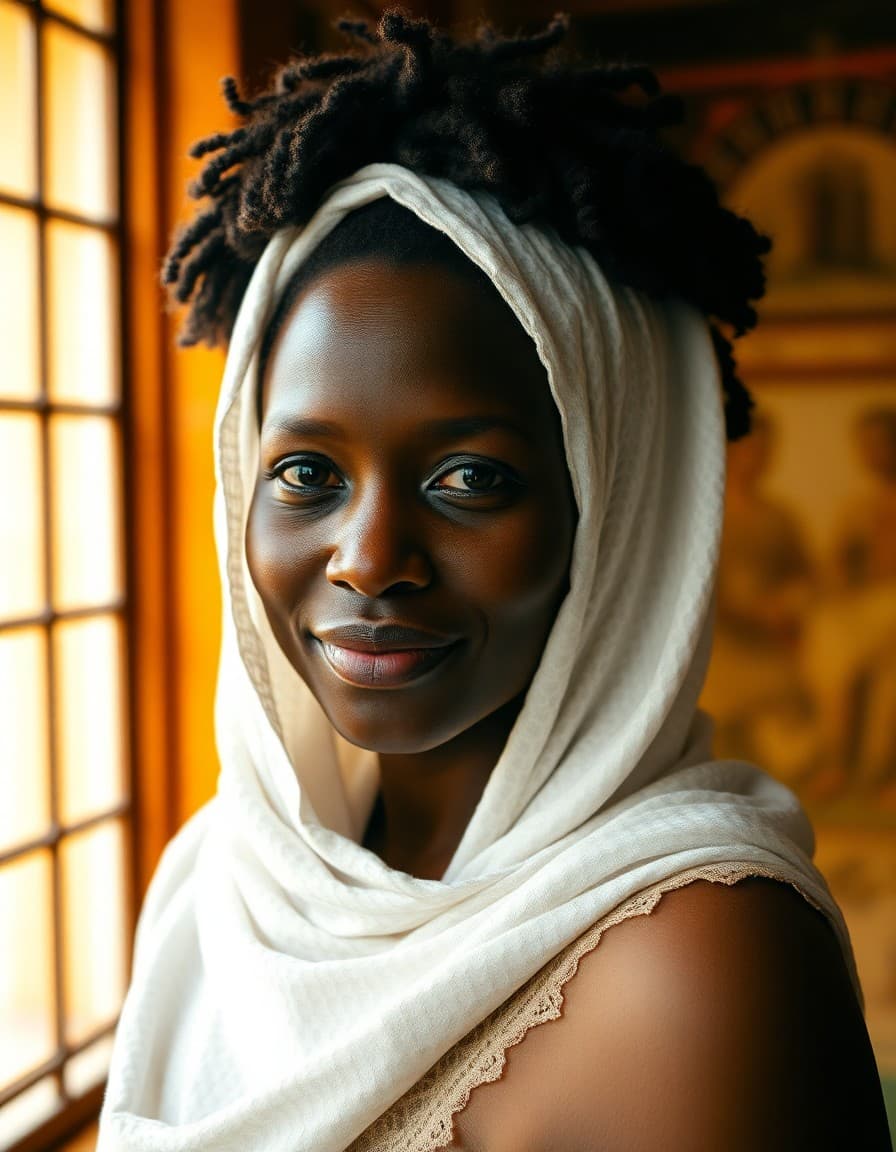
Ethiopia
Selam Tesfaye
The Lalibela Collection
Turkey
Hafize Kaya
The Anatolia Collection
Azerbaijan
Narmin Hasanova
The Şeki Silk Collection
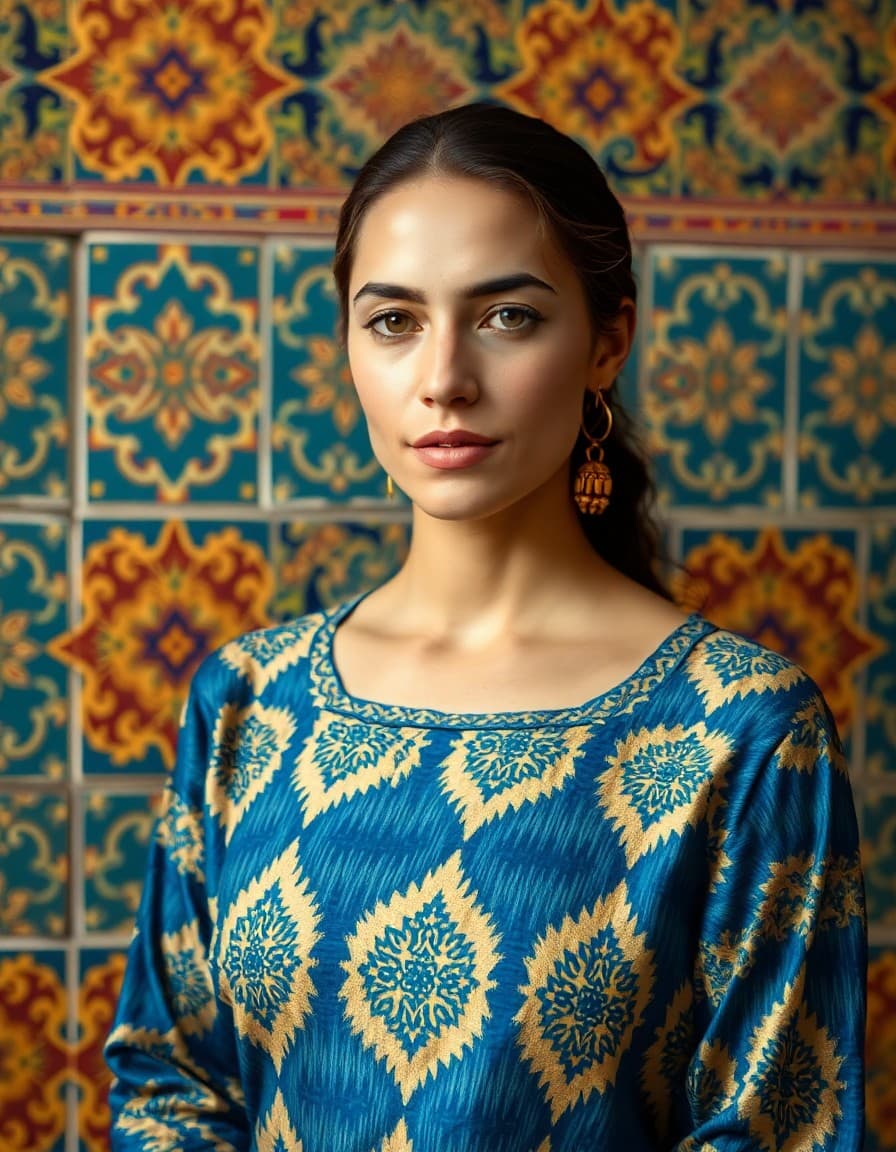
Uzbekistan
Dilnoza Yusupova
The Registan Collection
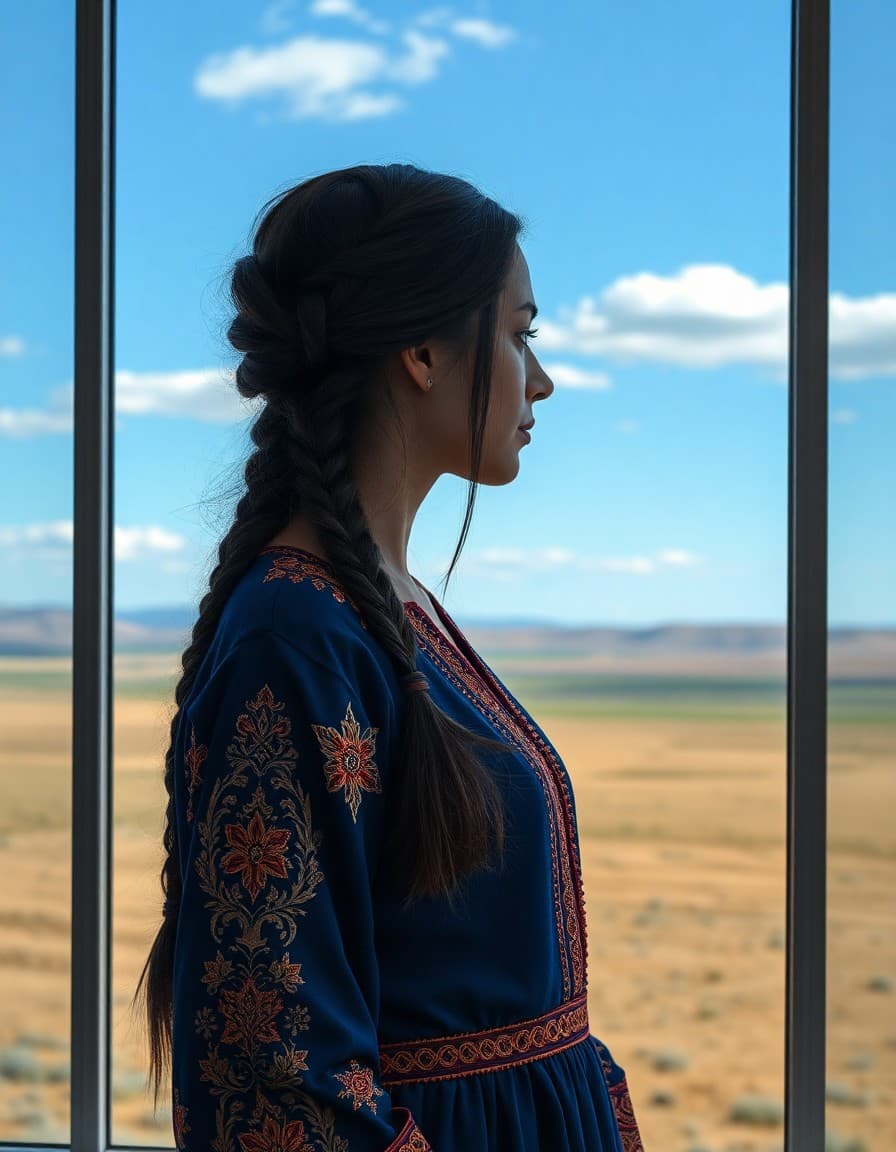
Kazakhstan
Aizat Bekova
The Steppe Collection
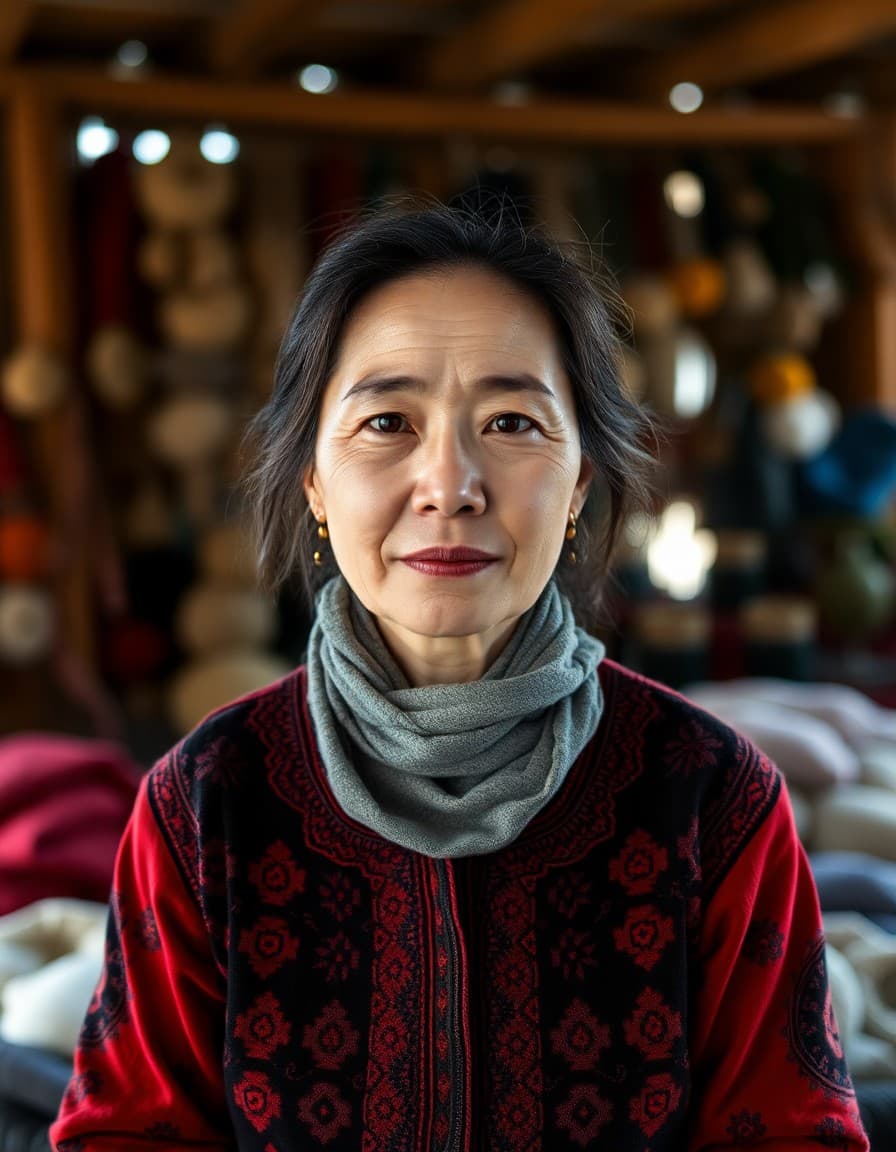
Kyrgyzstan
Ainur Mamytova
The Tian Shan Collection
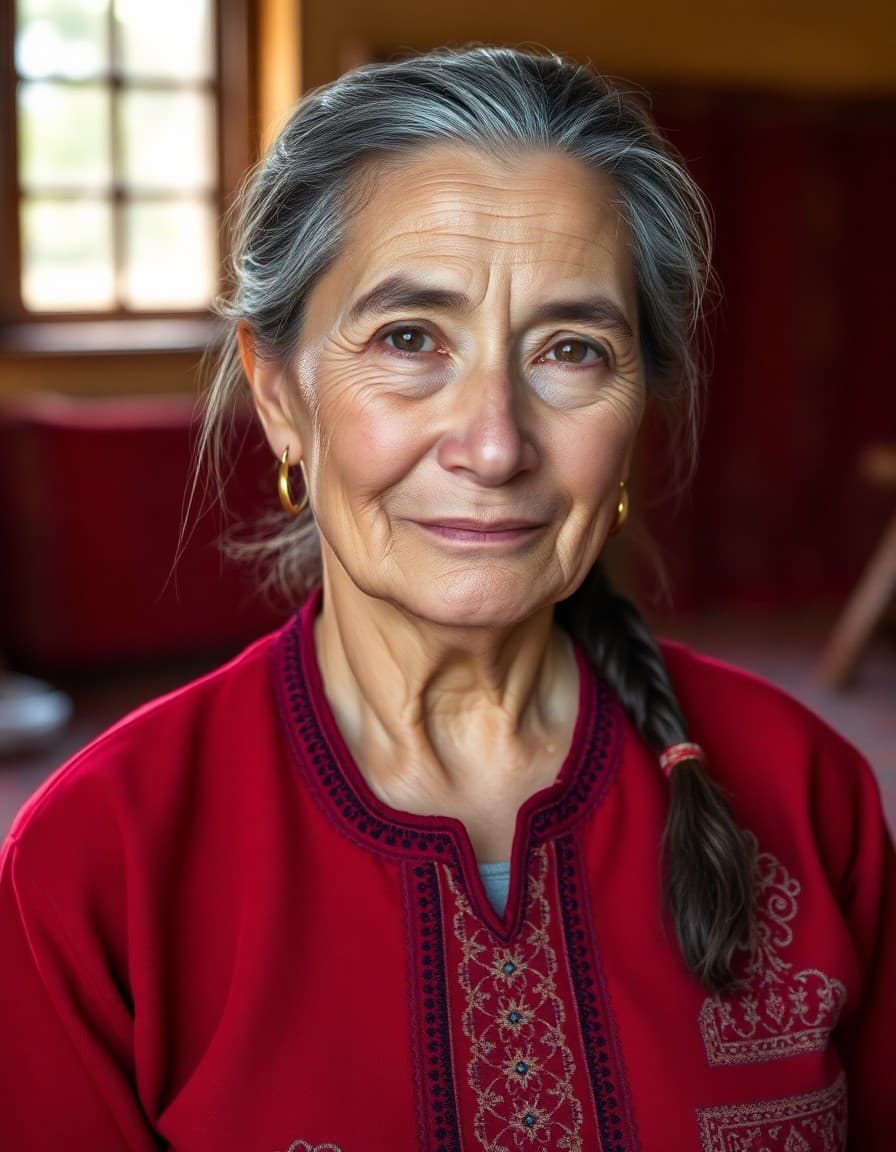
Turkmenistan
Ogulgerek Annayeva
The Gul Collection
Japan
Yuki Tanaka
The Shibori Collection
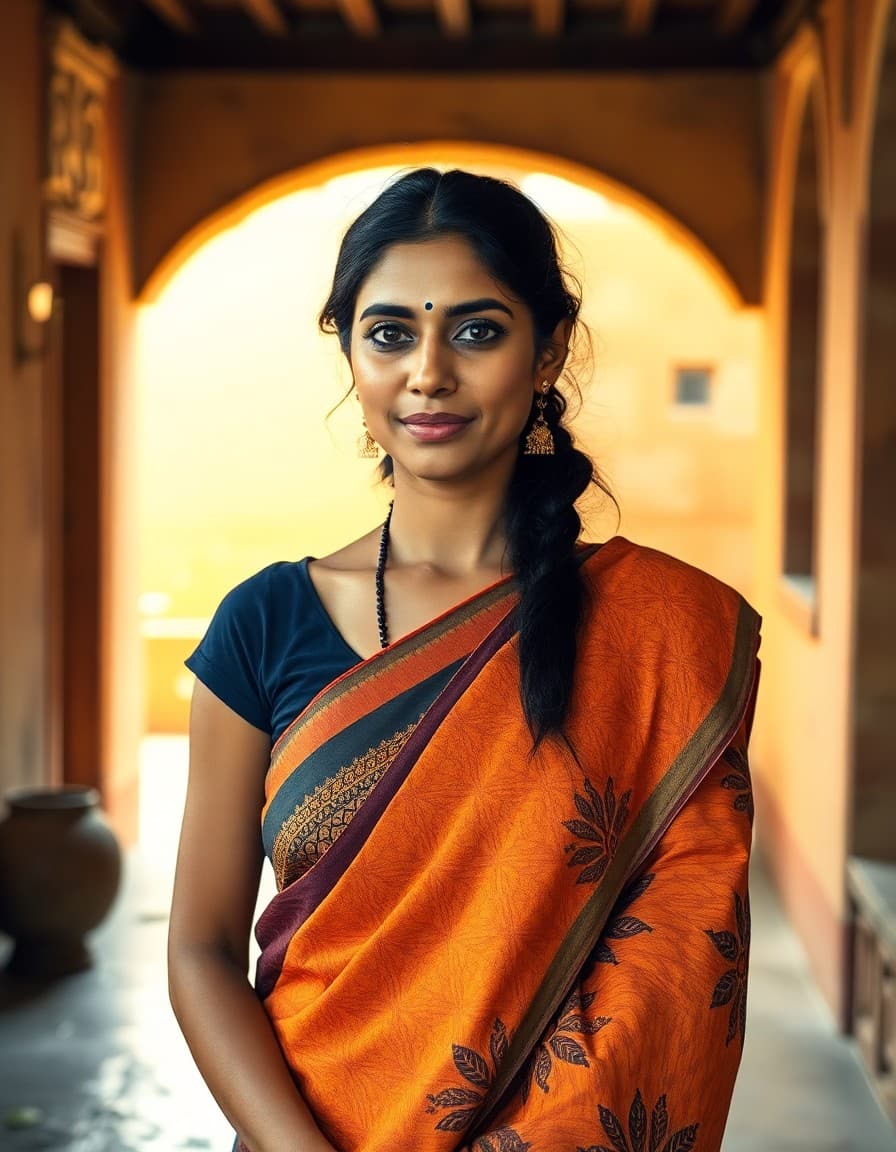
India
Priya Sharma
The Rajasthan Collection
Mexico
Frida Luna
The Oaxaca Collection
Finland
Aino Mäkinen
The Saimaa Collection
We are always searching.
Are you an artist whose work belongs here?Şeki, Azerbaijan
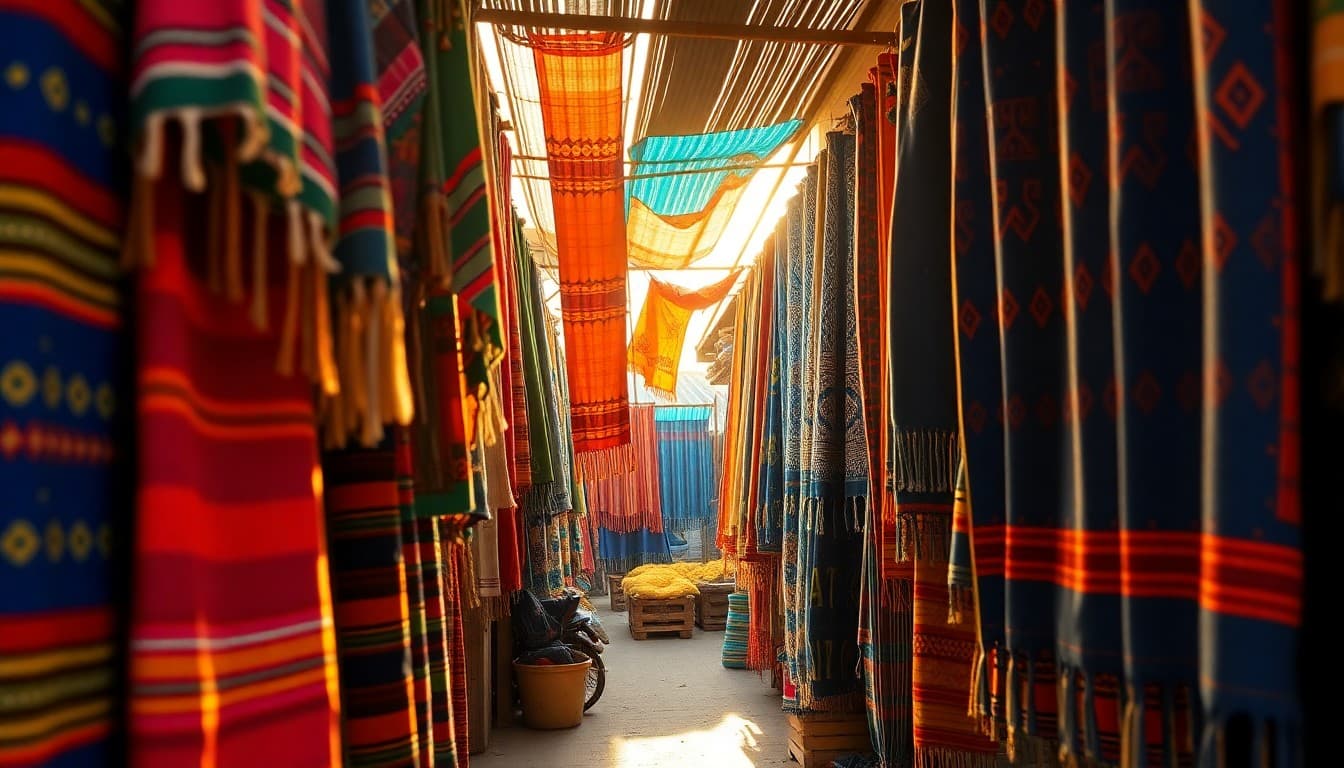
Every Navohi piece begins with raw silk from Şeki, a town in the foothills of the Greater Caucasus.
The master behind every collection
Narmin Hasanova
4. generation kelaghayi master · Şeki, Azerbaijan · UNESCO Intangible Heritage
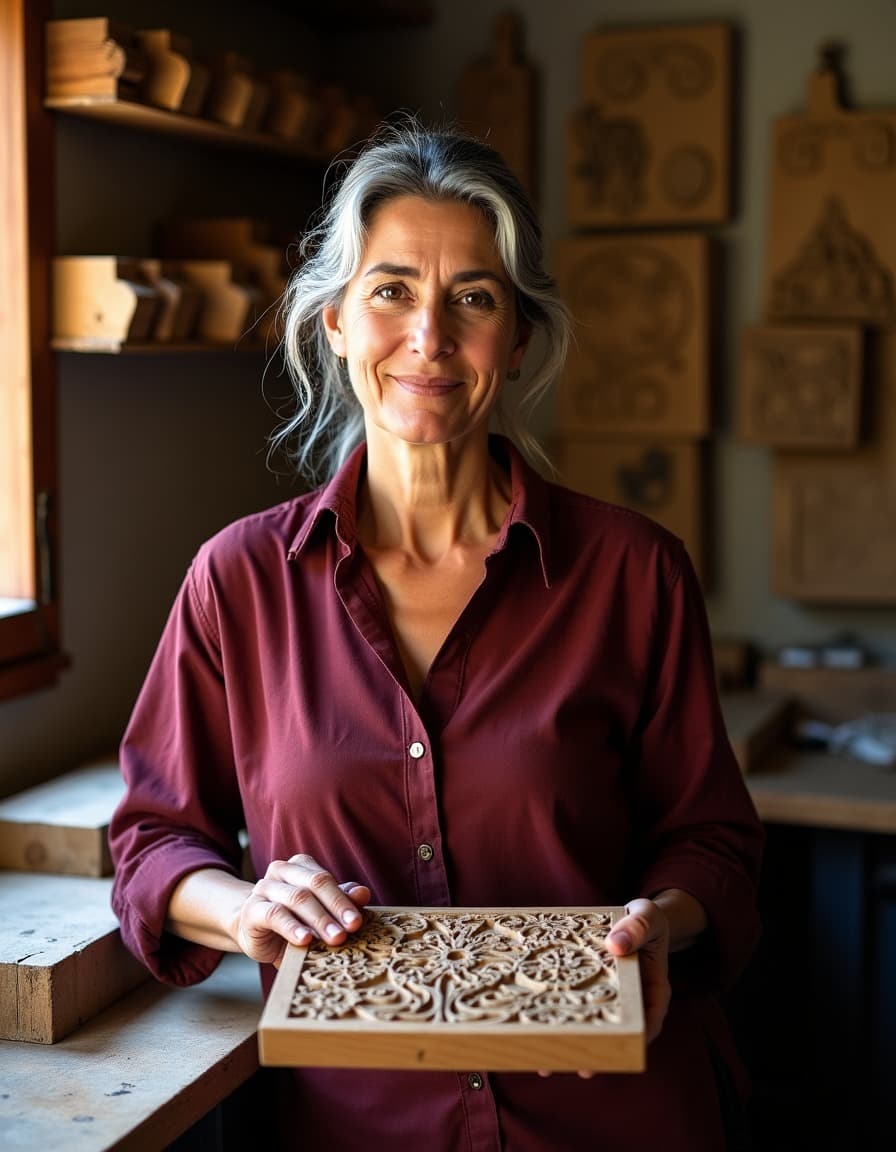
A fourth-generation kelaghayi artisan from Şeki, Narmin works at the crossroads of UNESCO-recognized tradition and global contemporary art. Every collection that leaves her workshop carries 500 years of Azerbaijani silk heritage.
What a kelaghayi is
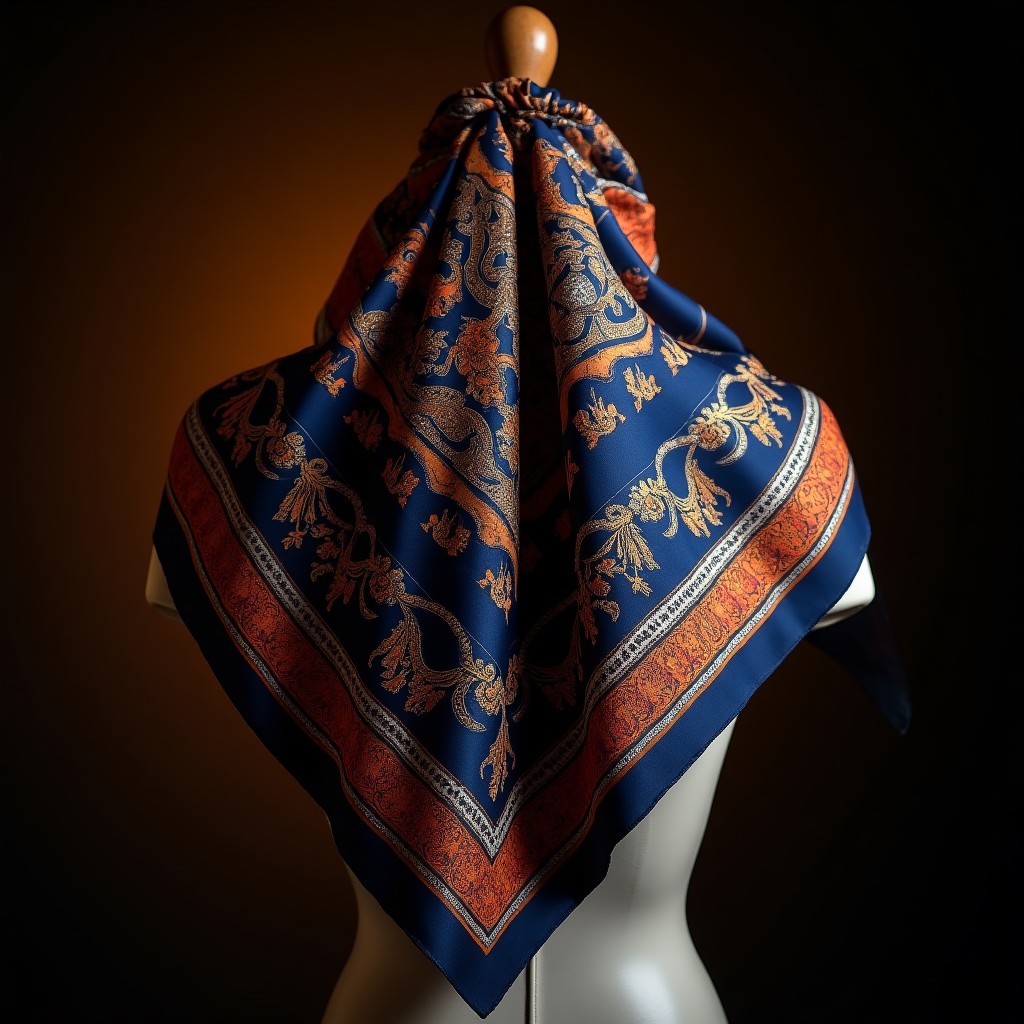
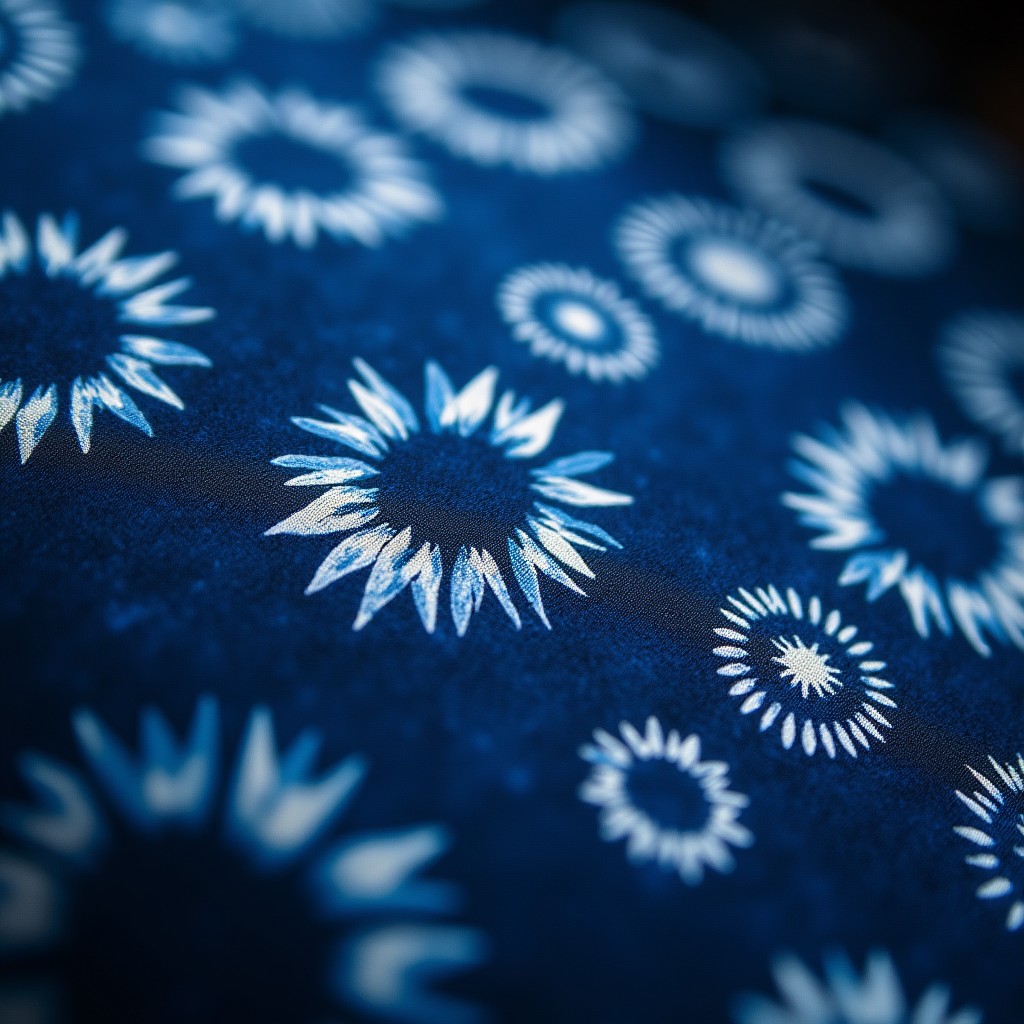
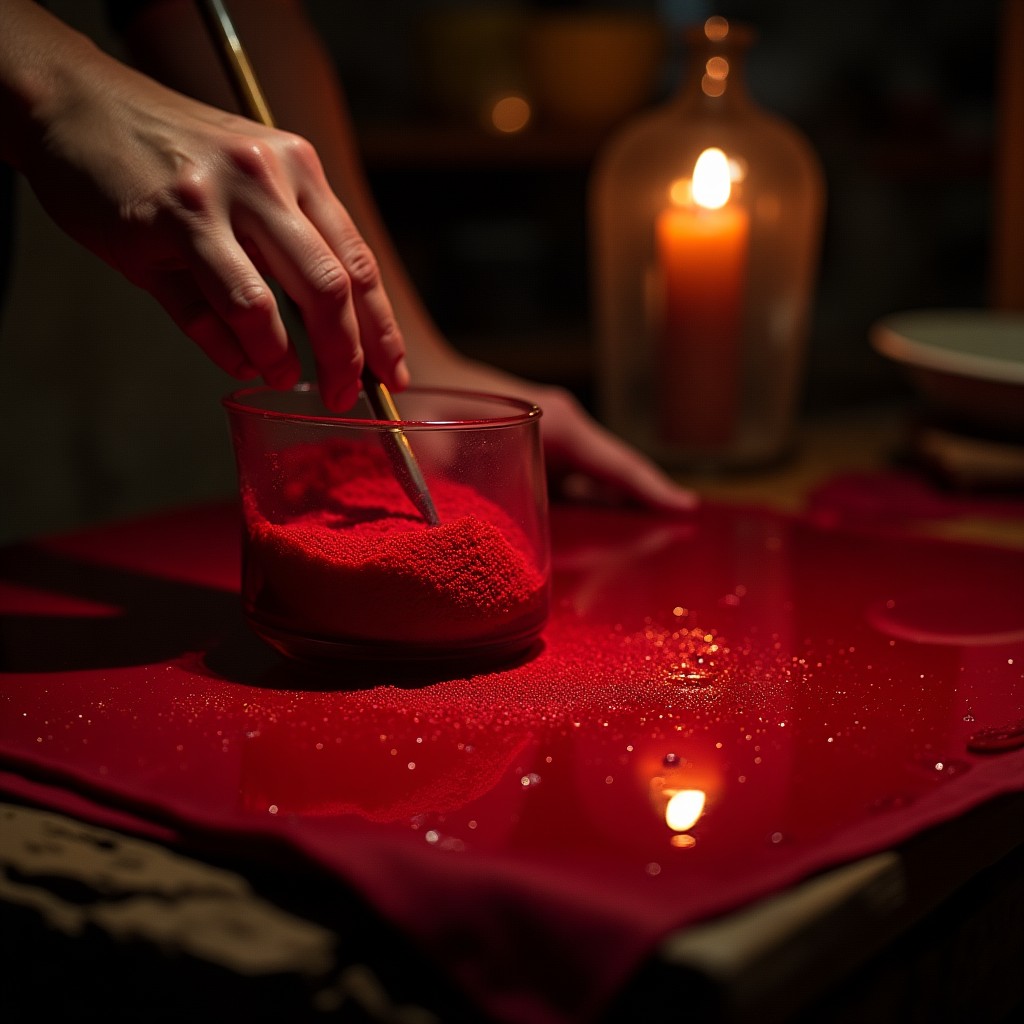
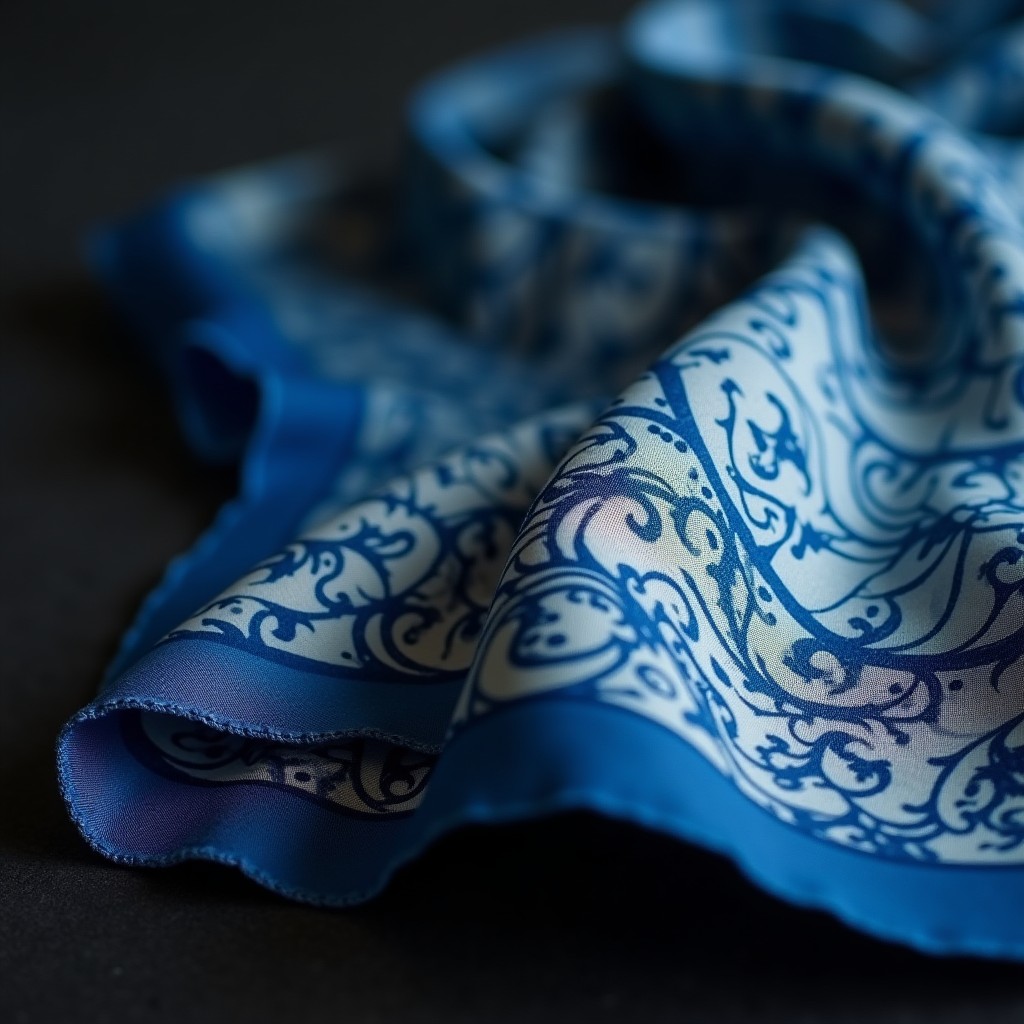
A kelaghayi is a square of natural silk, printed by hand with hot wax and dyed with plants. UNESCO added the craft — "the traditional art and symbolism of kelaghayi, making and wearing women’s silk headscarves" — to its Representative List of the Intangible Cultural Heritage of Humanity in November 2014. It is still made in Şəki and in Basqal, where some households print with blocks over three hundred years old.
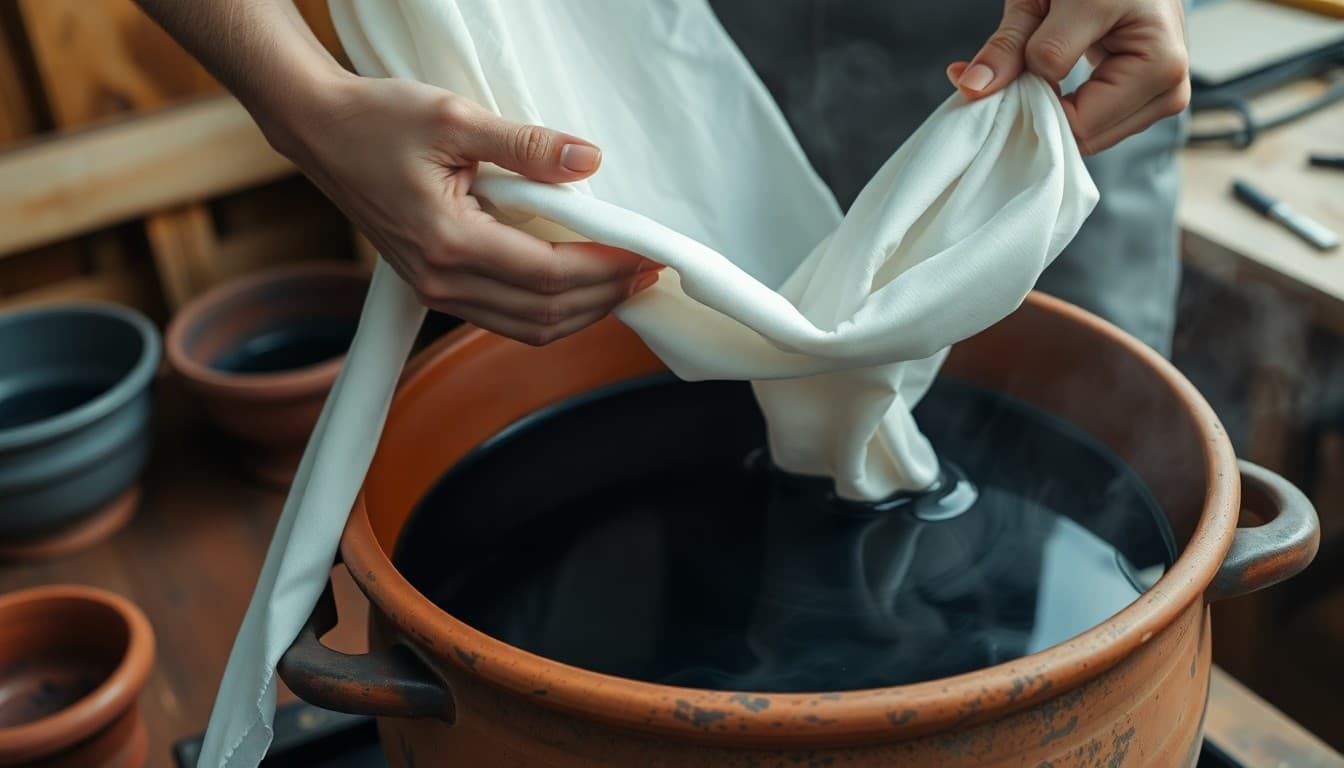
Nothing about it is quick. The silk is woven, the block is cut from pear or walnut, the pattern is pressed on in wax so the dye cannot reach what it covers, and only then does the cloth go into the vat. A second colour means the whole sequence again. Because every stage is done by hand, no two pieces come out the same.
What Navohi does with it
The patterns are not Azerbaijani. They are drawn by artists from twelve countries, out of whatever ornament they already know how to read, and then cut and dyed by a master in Şəki. Each piece is published under the name of the artist who drew it — which is the one thing here the tradition does not do, since a kelaghayi is anonymous work by custom.
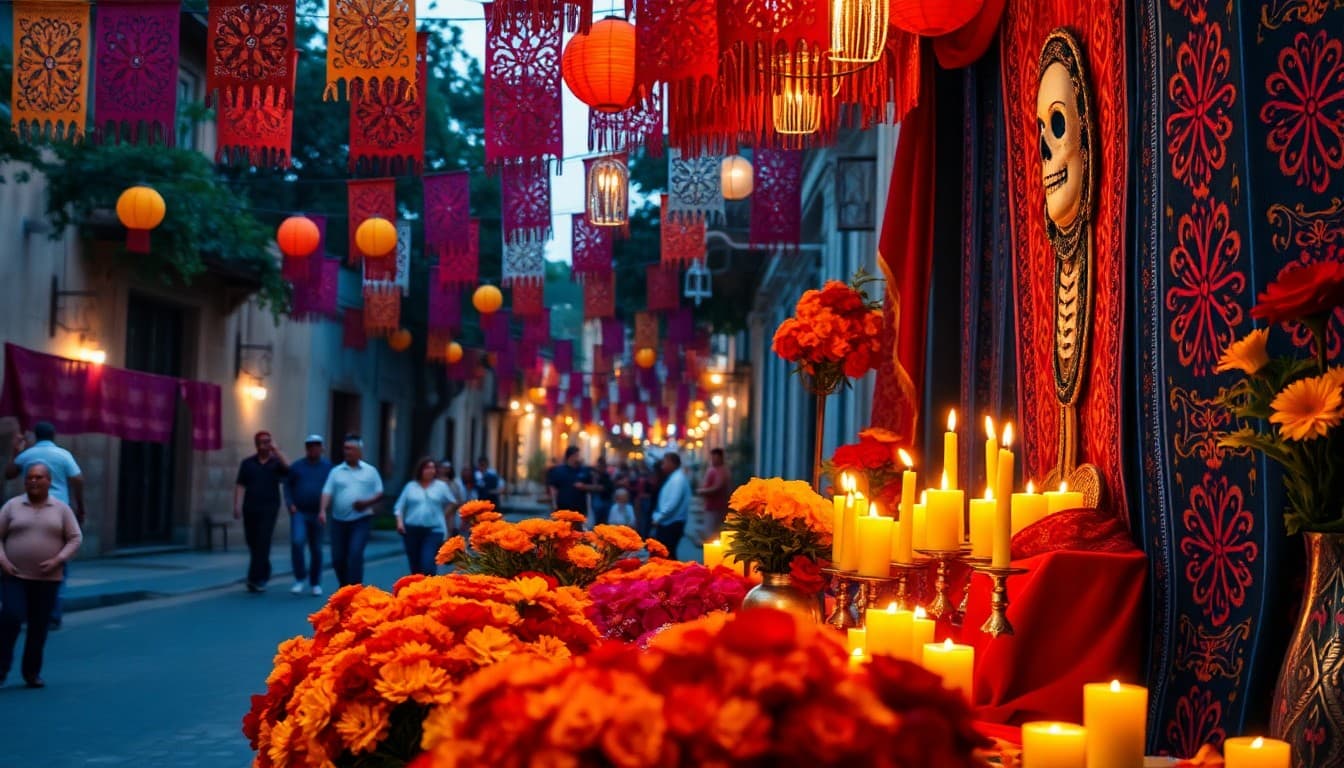
Every colour and motif on these scarves has a reading behind it. Blue, red and ochre gold are the healing colours. Al is what a bride is given. The seven-colour work is the ceiling of the craft. The pieces are named in Azerbaijani for that reason, and the collections are cut the same way the tradition cuts them: by motif, and by colour.